
Episode 45: Histamine Intolerance and Gut Health: Unlocking the Root Causes of Chronic Inflammation with Dr. Meg Mill
This episode is also available on:








Functional medicine practitioner Dr. Meg Mill shares her own healing journey and explains how gut dysbiosis, SIBO, parasites, mold, viral infections, and estrogen dominance can all crank up histamine and chronic inflammation,
You will learn practical first steps—like trying a low-histamine diet, eating fresh instead of leftovers, tracking food–symptom triggers, and supporting gut and nervous system health—to reduce inflammation before it leads to more serious disease.
Dr. Mill walks through how she evaluates patients using detailed histories and advanced stool testing to uncover root causes, then uses personalized protocols to rebalance the microbiome, improve histamine breakdown, and calm the immune system.
⏳ 00:00 Introduction and Personal Story
⏳ 00:29 Welcome to the Show
⏳ 00:33 Meet Dr. Meg Mill
⏳ 01:48 Understanding Histamine
⏳ 04:23 Histamine Receptors and Symptoms
⏳ 07:04 Personal Experience with Histamine Reactions
⏳ 09:27 Causes of Histamine Reactions
⏳ 12:46 Ad: Womabel®
⏳ 13:50 Steps to Manage Histamine Levels
⏳ 17:49 How Dr. Meg Mill Works with Patients
⏳ 22:26 Long-term Health Strategies
⏳ 24:55 Conclusion and Contact Information
Introduction and Personal Story
Dr. Meg Mill: I worked with someone years ago. He had full body itching for 20 years. We found really high levels of Morganella. Morganella is a histamine producing bacteria, and we did some gut health work and within four to six weeks, he was at no medication. He’d been doing shots. It just changed everything.
Welcome to the Show
Victor Dwyer: Hey, everyone! Welcome to today’s episode of The Beljanski Cancer Talk Show.
We’re joined today by Dr. Meg Mill, a doctor of clinical pharmacy and certified functional medicine practitioner with over 20 years of clinical experience. Dr. Meg is the creator of the Radiant Method, helping women worldwide uncover the root causes behind chronic symptoms like fatigue, migraines, and histamine intolerance.
She’s also hosted the Top Rated podcast A Little Bit Healthier and frequently guests on Fox, CNN, and Forbes Health. Get ready for an empowering conversation and the hidden connection between inflammation, gut health, and lasting relief.
Meet Dr. Meg Mill
Sylvie Beljanski: Hello, Dr. Megan! Welcome to The Beljanski Cancer Talk Show. I am so happy to have you today because we have had on this show so many number of doctors, integrative doctors, but very few have addressed the issue of chronic inflammation and, absolutely, you are the first one to address that from the point of view of histamine.
Understanding Histamine
Sylvie Beljanski: So, my first question is, what is histamine and how did you get involved into this original pathway at looking at histamine for chronic inflammation?
Dr. Meg Mill: Yeah, my interest in histamine has been a long journey. So, I personally had my own health journey, which is really what brought me to functional medicine.
I graduated as a doctor of pharmacy. I got a PharmD and then I went on to do a residency and I was working as a clinical pharmacist in hospital systems with doctors. We were doing medication protocols and working in med management clinics and what we needed to do.
And I was, you know, there were two things that started to happen. I started to see, we’re putting all these people on medications, but people are surviving but not really thriving. And we’re, and I, you know, I’m seeing this at work, but then at the same time I started having a lot of my own health issues. And I was young at the time, like in my 20s. And I started to not be able to, you know, eat.
Like, I would have really bad stomach pains and I didn’t know what was gonna cause reactions. I started to get anxiety and I started to have trouble sleeping, and then I started to have, like, reactions to things and I’m going to different gastroenterologists, I’m going to different doctors and saying I have these issues and I’m being told you look like a picture of health. You’re fine. Everything’s great. And you’re, like, I know that’s not the case. I do not feel fine. I, I’m anything but fine. I’m a researcher by nature and I started doing my own research and that was back, about 15 or more years ago when some of these things that are out now were just emerging when we’re looking at microbiome and all of the different things.
So, I started doing research on my own and started seeing a big health transformation. So, that’s actually what led me to okay, I’m finally finding answers. I’m finally feeling better. So, I actually went back and got certified in functional medicine, and then I opened my functional medicine. I have a virtual functional medicine practice, actually, where I see people all over the world and I really have been able to see these huge health transformations.
So, when I’m working with people, a lot of the information about histamine and Mast Cell Activation Syndrome, which is when our mast cells start overproducing histamine and other things, was really emerging. Mast cell activation syndrome became even a diagnosis around 2016.
So, this is all, like, rather, not all of the histamine information, but it keeps emerging more and more. I think we’re going to see how histamine’s connected.
Sylvie Beljanski: So, for our audience, what is histamine and where is it coming from for people who have never heard about this word?
Dr. Meg Mill: Yes. Yeah. So let’s go back there. I started giving my story.
Histamine Receptors and Symptoms
Dr. Meg Mill: Yeah. So, histamine is a biogenic amine. So, when the immune system detects an allergen or an invader, histamine is released and that’s released primarily from mast cells and basophils, which are part of our innate immune system.
So, when you have two different levels of your immune system, you have your innate immune system, which is just detecting what’s there, and then you have your adaptive immune system, and that’s getting, like, really looking at more specific things. So, our innate immune system has mast cells, and when we have this invader that comes in, it releases histamine and histamine’s not bad.
It has a purpose. So, it acts for immune defense. It protects the body against pathogens. It regulates your gastric acid secretion, so it helps you break down your food. It affects neurotransmitter activity, so it can affect your, like, sleep and wakefulness cycles. We can affect our cognition, our mood, and then we have what we see as the most common way we think of histamine, and that’s allergic response. So, that’s part of the body’s mechanism to expel harmful agents like parasites and pathogens and all these things out of our system, but…
Sylvie Beljanski: And when you have a bad reaction to something, you have some big red pimples growing and it becomes itchy, then you take some kind of medication, which contains anti-histamine, right?
Dr. Meg Mill: Yes. So that, yes, generally, so…
Sylvie Beljanski: That’s what I think what most people are familiar with. When they think histamine, they know a little bit about it. They think Benadryl, for some reason.
Dr. Meg Mill: Yes. Yeah. And that’s the thing. Okay, so you’re thinking, and Benadryl, so Benadryl is an H1. So, what is a little confusing, and this is something a lot of people don’t know, is that there actually are four different types of histamine receptors in the body.
And you think of that H1, you know, that allergic type reaction, and that’s what most people think when they think of histamine, but we actually have an H2 receptor, which is in your gut, so that’s where you can actually see gut related symptoms. We have H3 and H4, so it’s interesting because, like, we think of that as histamine. So, we think of, like, nasal congestion and sneezing and asthma and difficulty breathing, but we can also see, like, headaches and migraines, fatigue, heart palpitations, sometimes like anxious feelings, sometimes hormonal symptoms like PMS, flushing. There’s a lot of things that actually happen when we have high histamine levels that we’re not necessarily thinking about because our knowledge generally stems from that allergic type response when we’re thinking about it.
Personal Experience with Histamine Reactions
Victor Dwyer: Yeah, I actually had a lot of experience with what antihistamines do. So, when I got my COVID shot, basically, two weeks after, I don’t know if this is a correlation, causation. I don’t know if this is actually, anyway, I got my COVID vaccine then, at two weeks later, I started getting hives every hour or so, and I could draw on myself.
And I would be able to go on my skin, like I would say hi. I would write, I just, like, start to do, like, skin art where I would, I’d be able to write with my finger and just write things, whatever, like, I would just do motivational things. But anyway, then it would just turn into a hive, so it was super weird. I didn’t know what was going on. And, and then I was starting to struggle to breathe and I went to the immunologist and they were, like, yeah, we don’t know what’s going on. And so, then I just kept taking Zyrtec and taking allergy shots, those, like, allergy shots every week or so.
And then eventually, like a year and a half later it went away. But if I didn’t, if I stopped taking a Zyrtec, an antihistamine, I would, I wouldn’t be able to breathe very well. So, I couldn’t walk. It’s very far. But to this day, they still don’t know what happened. But yeah, like, I, when it comes down to histamines and all that, it’s crazy. So, I just wanted to, like, share that.
Dr. Meg Mill: No, but that’s a good, so that’s a good point. So, when we’re looking at stuff like that, there’s kind of two things that you wanna look at. So, I like to use a bathtub analogy. So, if you’re, if you have a bathtub and you have water flowing into it, and you have the drain unplugged, the water’s just gonna flow through and it’s not gonna overflow. You’re gonna stay at the same spot.
So, if you do one of two things, if you plug the bathtub, or if you turn the water up, you’re gonna get this overflow. And that’s what you had happen. You started to get these reactions. So, we have to be able to break down histamine in our body and we do that through the gut in Diamine Oxidase, an enzyme, and then we do that in our cells and that’s, there’s an enzyme called Histamine N-methyltransferase so we have to be able, but then, basically, if you’re turning the water up, that’s another thing.
And getting the COVID vaccine for you was activating your immune system to turn the water up. So, people, we were seeing a lot of increase in these histamine reactions either after people got the vaccine, or after people got COVID because we’re seeing, okay, your body’s immune system was turned up and you’re getting almost it’s like a hyperactive response where your cells are just firing without really needing to.
Causes of Histamine Reactions
Sylvie Beljanski: Besides this episode, which was, obviously, triggered by the vaccine, why do people get some histamine reaction? How does that start in the body?
Dr. Meg Mill: So, what we wanna think of, like, are like building blocks basically, and say, okay, what are all, your immune system wants to be balanced, so it wants to have abalance and be able to handle everything. And so, we wanna look at what are all the blocks that are stacked up on top of each other that put you over that place where you’re still gonna start to have a reaction. So, viral infections were mentioned like a, like something like a virus or where we’re seeing COVID or we’re seeing Epstein-Barr virus or something.
We see specific histamine producing or mast cell activating bacteria in the gut. So, do you have, like, microbes, like the, like small intestinal bacterial overgrowth or other microbes that are growing in your gut that are creating this histamine response? We can see things like H. Pylori in the gut. We can see parasites, we can see environmental toxins, heavy metals, you know, different things.
So, we’re saying, okay, what are our mold exposure, actually, people who have mycotoxin and mold exposure is another thing that can often put you in this, this overdrive. So, we’re saying, okay, what are all the things that are piling up that really can cause the reaction?
And another one that might surprise a lot of people are hormones. So, estrogen actually stimulates mast cells to release histamine, and progesterone actually helps break down histamine. So, when we have, when a lot of women have what we call estrogen dominance, where they have more, they have more estrogen in relation to progesterone, particularly when they’re going through perimenopause, so we start to see this elevated estrogen can make, make them have more histamine reactions.
It’s interesting, just to go a little bit further, there is that women’s hormones actually cycle through the month, and that’s why some women can see more histamine symptoms in that time of the month that estrogen’s higher versus have more flexibility in a time of the month when estrogen’s lower.
So it, it’s just like the miraculousness of our body and how all of these things fit together to really create pictures that sometimes can be confusing because you don’t know all the pieces that are going on.
Sylvie Beljanski: Yeah. You mentioned Epstein–Barr. This is a virus that can stay dormant in the body for many years, actually. Do you keep producing more histamine during all those years, or is the issue become dormant just like the virus does?
Dr. Meg Mill: Yeah. So once we bring down the load, so one, if the virus is dormant, if we’re getting, if we have the things that are triggering the response, like under control, the load should go down.
Sylvie Beljanski: Okay.
Dr. Meg Mill: So it can become, the idea when we’re working with it is to bring down the load so you’re not having all of these different reactions. You’re not having the inflammation, you’re not having, maybe the headaches and the reactions that you are having. So we can get that to come down, yes.
Sylvie Beljanski: So, that would lead to the next question. What are the steps that you recommend to your patients to bring down the histamine level?
Ad: Womabel®
Victor Dwyer: Ever wondered about a supplement just for you? Introducing Womabel®. Made for the unique health needs of women. The natural choice for everyday wellness. Our formula? Carefully picked, deeply researched, for real results. Packed with the power of Pao Pereira, exclusive Green Teas and Rauwolfia extract.
Every capsule is a step towards better health. Hear from those who felt the difference. Visit our website, maisonbeljanski.com.
Womabel®. Feel the natural difference because you matter. Unveil the power of nature through Maison Belsky sourced from nature perfected by science. Get 15% off your first purchase with coat EP two. Feel better naturally.
Steps to Manage Histamine Levels
Dr. Meg Mill: Okay. So, one of the things that I would say, if you’re listening right now, that you can do today is look at a low histamine diet. Now, I don’t think that this is something, necessarily, that is our long-term answer. So, it’s what do we do now for evaluation and then what do we do long term to really solve the problem? But, it’s a way to say, if you’re thinking, this sounds like me. Do I have histamine issues? You can pull foods out that are high in histamine because, again, the foods can add to that load.
So, when we’re looking at, we have different types of foods. We have histamine producers, and then we have foods that liberate histamine from the body, and then foods that inhibit the breakdown of diamine oxidase. So, when we’re thinking of things, we’re thinking of a lot of healthy foods, surprisingly, like where you’re, fermented foods. And that’s why it can be complicated because a lot of people are trying to heal their gut and adding fermented foods, but those, if you have histamine issues, that can backfire and you can actually have more gut symptoms.
So, things like fermented foods, we have things like avocados, bananas, strawberries, and I can give you a link. I have a guide that is called The Essential Guide to Histamine Intolerance, and it’s 25 pages and gives you complete lists, so you can actually look at the lists of foods and see, okay, if I bring these foods down, do I feel better?
Another little complication here is leftovers can also grow histamine. So, even if you’re not eating high histamine foods, if you have leftovers that have histamine, you might still be getting them in. So, eating fresh as much as you can or flash freezing can be something else that really helps.
Sylvie Beljanski: Okay. So, people who have very small, have light symptoms, they will not pay too much attention. They just have a slight headache from time to time, floating. But allow that to build up for a long time in their bodies, that leads to some kind of, does it become worse? What is this, the history, common history for building chronic inflammation and when should really people start to be concerned and seek services like yours?
Dr. Meg Mill: Yeah, that’s a great question because chronic inflammation does lead to a lot of other problems.
Sylvie Beljanski: Yeah.
Dr. Meg Mill: So, I think that when you’re letting this go, and one of we’re, as we’re saying, one of histamine’s jobs is to create inflammation in order to be able to get cells to, to the area that it’s alerting the body about.
So if you’re, if you’re living with these chronic inflammatory symptoms, it’s really, in some ways we need to become our own health detective, I think, and really evaluate what we feel. Do you have symptoms? Like you’re saying, okay, I have a slight headache.
We actually was just talking with someone that we were talking about how we normalize a lot of things. So, if you have a headache every week. That’s not normal. But to you it might feel normal because you’ve had a headache. You know, you have a headache two times a week, every week, and you’ve been told like, oh, you just have headaches.
But you know what? Your headaches are actually a signal that there’s something going on. So, when you have these symptoms, these are signals that are saying, hey, alert, you have pain because something else is going on in your body and we need to investigate why. So, you may have gone to a doctor and they’re like, oh yeah, here’s some rizatriptan, or here’s some, you know, like, here’s some medications to get rid of the pain. Just take one when you have a headache.
So you’re, like, uh, I get headaches. That’s just who I am. Maybe my mom got headaches. But that isn’t, that doesn’t mean that it’s normal just because it’s common. And I think there’s a big, like, really misconception there because when something’s common, we feel like it’s normal.
So, I think really taking a look at how do I feel, what symptoms do I have and, and really, maybe, being more proactive about addressing some of these things before it gets to an issue that’s harder to reverse.
How Dr. Meg Mill Works with Patients
Sylvie Beljanski: So can you, I mean, walk us through what happens when, I mean, a new patient is calling you, calling your practice, and comes with a list of symptoms. Some are heavy, some are very light, and, where do you start to investigate what is happening in the body of this patient and how to alleviate his or her symptoms?
Dr. Meg Mill: Yeah. When we’re looking at it, a lot of times we’ll start with gut health and that’s for two reasons. One, because we know there’s more and more research showing that there are specific histamine producing and mast cell activating bacteria, like we said in the gut. And so, when we have these bacteria, even if your body is producing, like, if, if there’s not an imbalance in your body in another way, if you have this bacteria that’s producing it and we’re not clearing that out, then we can, you know, still continue to have a problem.
The other issue there is that you have, like, diamine oxidase is the enzyme that we use to break down histamine in the body. If you have issues with the brush border and the lining of your gut, that’s where those enzymes work. So, those enzymes help break things down in that lining, in that area of your gut, and if you don’t have good gut health and those are compromised, you can’t break down the histamine well from your food.
So, we need to optimize the enzyme production and optimize gut health and make sure that we, one, have those bacteria killed off, and then also other invaders, like we said, like a parasite or h. pylori or different things can also be activating your immune system.
And what’s interesting here, I just like, this is a story that’s a good example. I had worked with someone years ago who he had full body itching for 20 years, like, completely, he was on a lot of, like, high dose medica, like you’re saying, was saying in the antihistamines, but like really high dose prescription ones for 20 years.
And as soon as they were off, like he’d start to just itch again. He’s, I feel a hundred percent fine. No gut issues. No energy is, great, except I have this full body itching. He’s, like, you’re never gonna be able to, like, you know, solve this. It’s this weird thing about me. And so I said, okay, we need to do a stool test. And he was like I’m not having any GI issues. Like, why are we doing a stool test? I’m, like, because we need to look at this. And we found really high levels of morganella. Morganella is a histamine producing bacteria, and we did some gut health work. We killed the, did some antimicrobial work for the Morganella. And within four to six weeks he was like, itch, like no medication, itch free.
Like he’d been doing shots, he’d been do, you know, everything, every single thing you could think about. And he was, like, I can’t even believe it. And he’s, I didn’t even have any gut symptoms, but it’s because, you know, we were really looking into what was going on and the root cause of it, and we got to that. It just changed everything.
So I, I think there, it’s surprising to people because they maybe haven’t ever been given the tools or the knowledge that these things could be done, but it’s really saying, okay, where are we finding what’s going on and how do we fix it at the root?
Sylvie Beljanski: Yeah, so many people are suffering with lingering symptoms and think they have to live with that, and they don’t even know that they can be helped.
I think you, what you are doing would be a godsend for a lot of people who are suffering from a lot of different kind of symptoms because, indeed, the symptoms can be very wide or very wide and not every, would call always an allergic reaction.
Dr. Meg Mill: Yes. Yeah. And, really, it’s just sometimes, it is just taking that like really, that, using your intuition, even knowing there’s something that I’m feeling and like really thinking about why is it happening. Sometimes I have people start, if for listeners who just want, like, simple places to start, we talked about the low histamine diet, but you can even start and just print out a blank calendar and write down if you have a symptom, what did you eat in the 24 hours before? It’s not the only piece, but it’s a, investigation piece to say, okay, you don’t have to track your diet all the time, but if you’re having something that is noticeable or you’re, like, if you’re having gut issues or if you’re anxiety spikes or you have a headache or you’re, have, like he, he was saying like an allergic reaction. What did you eat in the 24 hours? And can you even see any connections there? Because a lot of times once you start to look, you’ll be, like, so surprised at you know what, every time I, I had tomatoes and I would, like, never even think that tomatoes were an issue for me. And we start to like even just empower ourselves with that.
Sylvie Beljanski: Yeah, absolutely.
Long-term Health Strategies
Sylvie Beljanski: Any steps that you would recommend for people for the long term? Something easy to do.
Dr. Meg Mill: Yeah, so what we would, what we do when I work with people is we’re saying, okay, let’s go through each piece of this and say, okay, you know, from top to bottom, from like, individually, where you come in basically based on your symptoms, but also the most common things and we evaluate where we need to find those root causes and what is unique for each person.
Another piece that I do see here is that there is a nervous system component to this, and that is because when you start having some of these symptoms for a long time, your body starts to respond to that.
So, I like to use an analogy here. So, if I gave you a rose and I said, smell this rose, and you said, okay. Oh, that smells good. That’s nice, and you’re, you like it. And then I say, every time you smell that rose, I also want you to touch a hot stove. And so you’re smelling the rose and you’re like, ow, that feels uncomfortable. Like I, I don’t like that feeling. And then I say, okay, now I’m gonna give you the rose again. Don’t, you don’t have to touch the stove. Like, how do you feel? You’re still going to feel, like, ow, uncomfortable. That doesn’t feel good because you’re gonna be programmed for that response.
And so what starts to happen is a lot of people, once they have some of these, they start to have these reactions to, like, more and more things because their body’s responding that way. So, we also do a lot of nervous system work. So, we do a lot of regulation of the nervous system. We do vagus nerve work. So, like, with the gut brain connection, we do breath work, we do thought reframing to build neuroplasticity. So, we’re really also working a lot of times on the nervous system at the same time that we’re doing all of the functional medicine testing and that kind of stuff, too.
Sylvie Beljanski: Yeah, that’s really, really important. I mean, this boost of inflammation really lead, indeed, to chronic inflammation that can lead to an imbalance as an induced cancer, autoimmune disease on the long term. And taking some proactive step from the very, very beginning, not ignoring the symptoms is so important for your, our long term health
I really am very grateful that you are bringing this knowledge and sharing this is a really important information to, to be proactive, the very first steps.
Conclusion and Contact Information
Sylvie Beljanski: For people who are, had an aha moment today hearing a few, how can they contact you?
Dr. Meg Mill: Yes. I also have a podcast called A Little Bit Healthier, so come over there.
You’re gonna be on the show too, on my show talking about cancer and join us ’cause we have a great conversation and we’re talking every day about steps you can take to be healthier. I always try to give actionable things that you can do in your life every day. Do come over to the podcast and then my website is megmill.com.
It’s just M-E-G-M-I-L-L.com. I have a lot of information, and a lot of free resources on the website. And there’s also a Work With Me button if you wanna learn more about how I work with people. I work with people all over the world. And then I’m over on Instagram at just drmegmill.com. That’s my website, sorry, over at Instagram at just drmegmill. We have fun over on Instagram, so yeah, join us. I’d love to connect.
Sylvie Beljanski: And where are you located? Where is your practice?
Dr. Meg Mill: Oh, I actually am in the Pittsburgh, Pennsylvania area, but I have a virtual practice, so I work with people all over. So I, that’s been a, such an interesting and lovely experience to work with people from all over the world and get to know people in different spaces.
Sylvie Beljanski: So, for people all over the world, at the beginning, for you to assess what is going wrong with them? They need a stool test, a blood test. What exactly do they need? Do you send a kit? Do you have a kit that you send them? How does that work?
Dr. Meg Mill: Yeah, so we have kits that we can send, like we said, we have a US based mostly, but we also have a global contractor that we can send tests. I don’t run the same tests on everyone because everyone’s different in what, where we need to start, but we do, yeah, we do all of that. We do stool testing. We do a lot of different testing. When we’re talking about the gut though, that’s when I look at the stool testing, but we really determine that at the first, like, intake, like, meeting, when we’re really going through.
I have really detailed, like, health history and symptom questionnaires, and lifestyle, and with everything going on in their life, like, where do we need to start for that individual person.
Sylvie Beljanski: Very good.
Victor Dwyer: That’s super cool. Thank you so much, Dr. Meg. Thank you so much for joining. And thank you, audience, that got up to this point. This is The Beljanski Cancer Talk show, and we’ll catch you next time. Thanks.
Dr. Meg Mill is a leading women’s health expert, Doctor of Clinical Pharmacy, and Certified Functional Medicine Practitioner with over two decades of clinical experience. She helps women around the world resolve chronic symptoms like fatigue, digestive issues, migraines, hormonal imbalances, and histamine-related conditions—especially when conventional medicine has failed to connect the dots.
She is the creator of the R.A.D.I.A.N.T. Method, a proprietary root-cause framework that empowers women to rebalance their bodies, regulate their nervous systems, and reclaim their energy, clarity, and confidence. Through her virtual Functional Medicine practice, Dr. Meg has guided hundreds of women to lasting relief and transformation worldwide.
A bestselling author and host of the top-rated podcast A Little Bit Healthier, she’s also a sought-after speaker and summit host. Her work has been featured on Fox News, CNN, ABC, NBC, CBS, and in Forbes Health, Reader’s Digest, Health Magazine and Mind Body Green.
Connect with Dr. Meg
Social Media


Website, Podcast, and Gift

Website
Podcast: A Little Bit Healthier

Free Gift: The Essential Guide to Histamine Intolerance
Related Episodes
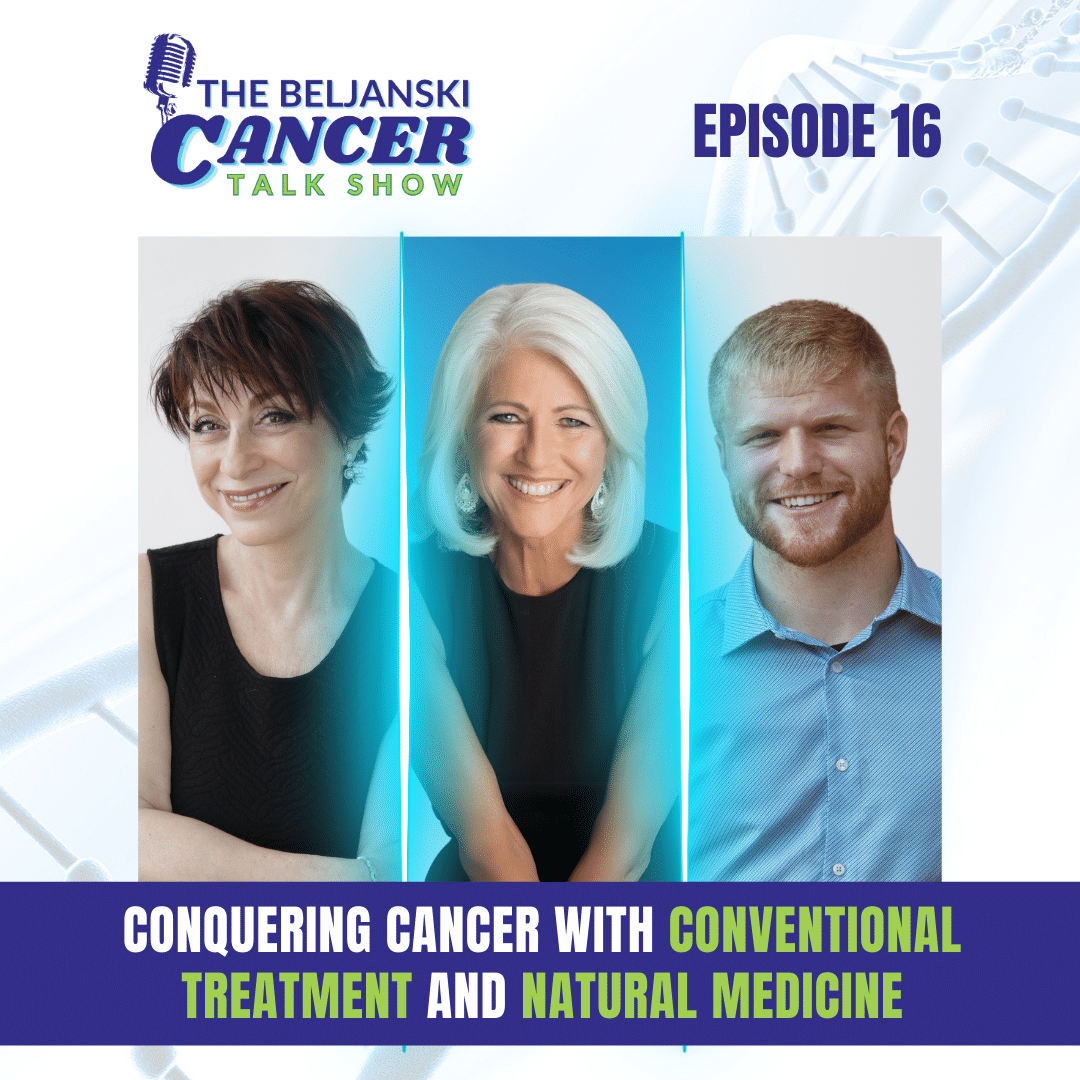
Episode 16 – Conquering Cancer with Conventional Treatment and Natural Medicine with Dr. Véronique Desaulniers, DC
In this episode, Dr. Véronique Desaulniers shares her holistic approach to breast cancer treatment, emphasizing stress management, emotional [...]
Stream Now
Episode 36: What Your Urine & Tumor Tissue Reveal About Your Cancer featuring Dr. John A. Catanzaro N.M.D., Ph.D
Dr. John Catanzaro reveals how personalized peptide therapy is reshaping the future of cancer care—one patient at a [...]
Stream Now
Episode 5 – The Power of PEMFs in Revolutionary Cancer Care with Dr. William Pawluk, MD, MSc
In this episode, Sylvie and Victor, along with Dr. William Pawluk, discuss the benefits of PEMFs, magnetic therapy, and the impact of conventional [...]
Stream Now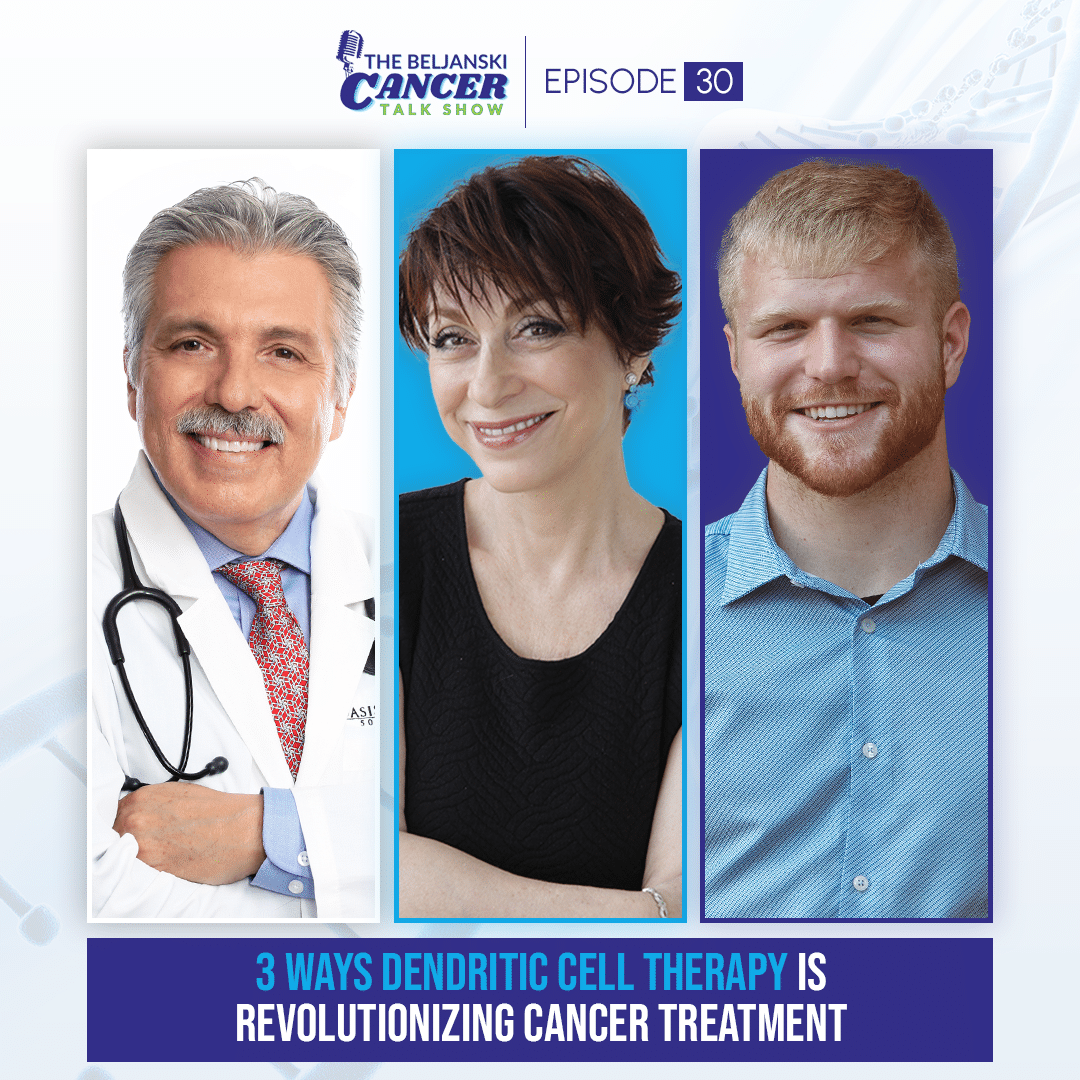
Episode 30 – 3 Ways Dendritic Cell Therapy is Revolutionizing Cancer Treatment with Dr. Francisco Contreras, MD
Dr. Francisco Contreras reveals a powerful approach to cancer care that mainstream medicine often [...]
Stream Now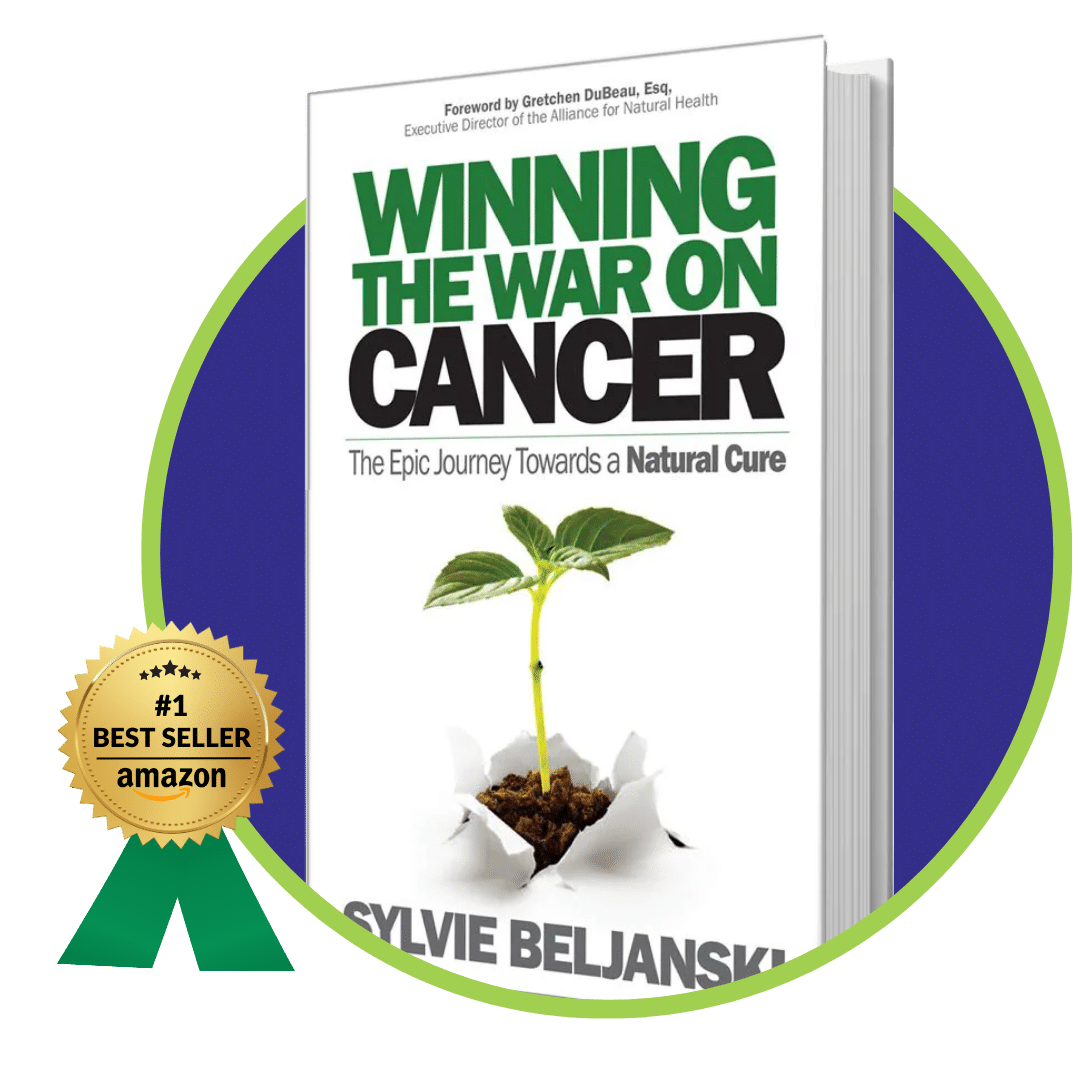
Award-Winning Book On Naturally Fighting Cancer
“For me personally, I think that Winning the War on Cancer by Sylvie Beljanski is one of those books that people should read. I have for a long time believed more in natural remedies than pharmaceutical cures, so I was involuntarily drawn to read the book.
It still preys on my mind on how the government can take up war against something that can save a lot of lives. I mean I know that a sort of thing like a more natural cure would likely actively threaten the pharmaceutical industry, but isn’t the industry on the side of saving people with something that has very little, or indeed no, toxicity at all? It’s so eye-opening and harrowing and I can’t yet state how I feel about everything that I learned.
I would recommend the book to anyone because many people these days are constantly being kept in the dark about natural remedies. What I love most about the book is that, though the book’s main point is cancer and its treatment, it also touches on areas that are vital to leading a healthy life. It points out the importance of detoxifying our body, especially since we live in a world where toxins are constantly released into the air by our technological marvels.”
4 out of 4 stars – Review by Nmesoma – OnlineBookClub.Org