Episode 62: The Oral Microbiome Secret to Preventing Cancer | Dr. Gerry Curatola
This episode is also available on:








In this episode of The Beljanski Cancer Talk Show, Sylvie Beljanski speaks with Dr. Gerry Curatola, a biologic dentist, author, inventor, and pioneer in oral-systemic medicine. Dr. Curatola is the founder of Rejuvenation Dentistry and Revitin, creator of the oral microbiome protocol, and author of the bestselling book The Mouth Body Connection.
Dr. Curatola shares his personal journey into dentistry and explains why he moved away from treating the mouth as a purely mechanical problem toward viewing it as a gateway to whole-body health. The conversation explores the strong links between gum disease, chronic inflammation, and increased risk across multiple cancers—including breast, pancreatic, colorectal, and oral cancers—as well as the role of specific oral bacteria such as Fusobacterium nucleatum and Porphyromonas gingivalis.
Sylvie and Dr. Curatola also discuss the shift from a “kill all bacteria” approach to promoting microbial balance, the science behind salivary testing for cancer risk, and how nutrition, sleep, breathing, and stress management all play a role in protecting the mouth—and the body.
We’re excited to share that Dr. Curatola is co-hosting the Hamptons Sweat Fest with the Beljanski Foundation, August 7–9. This fundraising wellness weekend features fitness and wellness activities, peptide therapy, and more, with proceeds supporting the Foundation’s cancer research. Learn more and get tickets here: https://beljanski.org/hamptons-sweatfest
✨ Bonus: Give your smile some love — grab 10% off Revitin toothpaste with code BELJANSKI10 at revitin.com 🦷
🔑 Three Key Takeaways
- Gum disease is a major driver of chronic inflammation linked to cancer
Dr. Curatola explains that gum disease affects over 80% of American adults and is one of the body’s leading sources of chronic low-grade inflammation. He cites research connecting periodontal disease to increased risk across roughly nine cancers, including a Harvard study showing a 67% higher rate of pancreatic cancer in men with advanced gum disease. - Balance, not eradication, is the key to a healthy oral microbiome
Rather than “killing” bacteria with harsh oral care products, Dr. Curatola advocates for microbial homeostasis—nourishing the oral microbiome with prebiotic approaches so it can regulate immune function and inflammation throughout the body. - Simple daily habits support a cancer-protective mouth
Good nutrition, quality sleep, healthy breathing (addressing sleep apnea and mouth breathing), regular exercise, stress management through meditation, and choosing oral care products that nourish rather than strip the mouth’s natural ecology all contribute to reducing cancer risk.
⏳ 00:00 Introduction to Biologic Dentistry and the Mouth-Body Connection
⏳ 02:06 Dr. Curatola’s Journey into Biologic Dentistry
⏳ 04:16 Early Experiences and Childhood Inspiration
⏳ 05:44 The Artistic and Medical Roots of Dr. Curatola’s Practice
⏳ 06:50 Understanding the Impact of Root Canals on Systemic Health
⏳ 07:22 Supporting the Hamptons Sweatfest and Community Engagement
⏳ 10:44 Link Between Oral Disease and Cancer Risk
⏳ 13:10 Oral Microbiome and Its Role in Cancer and Heart Disease
⏳ 16:22 Salivary Testing and Microbial Expression in Cancer Risk
⏳ 20:16 The Importance of Microbial Balance Over Eradication
⏳ 23:10 Revitin and Supportive Oral Care Products
⏳ 28:31 Practical Recommendations for Reducing Cancer Risk Through Oral Health
⏳ 31:04 The Role of Sleep, Nutrition, and Stress in Oral and Systemic Health
⏳ 34:04 Final Message: Your Mouth as a Gateway to Longevity
Dr. Gerry Curatola (00:00.192)
I didn’t want to be a mechanic of teeth. I really wanted to be a physician of the mouth. And it started me down the path of what we call biologic dentistry. But I was early on in that I was really looking at the fact that we need to understand the connection of the mouth to the whole body. And that’s what led me to write this book.
Sylvie Beljanski (00:23.47)
Welcome to the Belgianski Cancer Talk Show where integrative science and holistic healing come together. I am Sylvie Belgianski and in each episode we explore nutrition, lifestyle, mental health and research-backed approaches to support the whole person through cancer and chronic diseases. Hello, Dr. Géricuretela. It’s a pleasure today to invite to the Belgianski Cancer Talk Show Dr. Géricuretela.
is an internationally recognized biologic dentist, author, inventor, and pioneer in oral systemic medicine. He is a founder of Rejuvenation Dentistry and Revitin Oral Wellness, creator of the Oral Microbiome Stability Protocol, and author of the best-selling book, The Mouse-Body Connection. For more than four decades, Dr. Curatola has been
at the forefront of research, exploring how the oral microbiome influences inflammation, immunity, and chronic disease, helping redefine health care with a simple but powerful message, the journey to the whole body wellness begins in the mouth. Dr. Kuratola, welcome to the Belgiansky Cancer Talk Show.
Dr. Gerry Curatola (01:46.04)
Thank you, Shelby.
Sylvie Beljanski (01:47.744)
And I would like to ask you, when you were growing up, you did not think, I want to become a biologic dentist. I don’t think that was the dream. So tell me, I mean, a little bit briefly, how did you get there? What’s it really like?
Dr. Gerry Curatola (01:58.687)
together
Dr. Gerry Curatola (02:05.134)
And I have to around. Hold on. I have to reach around because in this book, in my book, The Mouth-Body Connection, on this page is the business card that I made. The publisher actually reprinted. I made a business card to be a dentist at six years old. Six years old. So I have to give you a little bit of background.
The first is I grew up down the block from a penny candy store and I was always sneaking, you know, to the, to with my cousin who is Dr. Jeannie Creco’s father, who’s in my practice. We would go to the candy store together and we would get this candy. So naturally at the age of four and five years old, I had my first cavity and it was a
terrible experience. a matter of fact, I remember the dentist. He was a really nice guy. He was dating my aunt. So he was kind of a family friend, but he was a sadist. He would drill the tooth. No anesthetic. And it was so painful. And I really remembered the fear and the terror I had back then. And so I remember
was a young boy. My mother used to come around and say, boys, say your prayers before you go to bed. And I said a prayer, God, what should I be when I grow up? And I heard a voice, mean, really early on, I heard like, I want you to work for me. So I thought that meant going up Italian, American, Catholic, that I was gonna be a priest. And I told my mother, my mother’s like, know, priests don’t get married and have children, Gerald. And I said, well, she goes, why do you wanna be a priest? I said,
I think God told me he wants me to work for him. And she said, well, you should work for God in everything you do. This is a true story. The next night I went to sleep and again, I said, God, I want to work for you, but I want to get married and have children like my mother and father. And all of a sudden I remember thinking, what could that be? Lawyer, a policeman, fireman, doctor, dentist. And I hated the dentist from that experience I just shared.
Dr. Gerry Curatola (04:16.685)
But it wouldn’t move off that it was dentist, dentist, dentist. So I have to say I woke up the next day. It was Sunday and I made this business card. I took my father’s card and I ended up actually with scotch tape and his card. I cut out the words, you know, good dentist. And I gave it to and my mother saved that card. That card is now sick over 60 years old, over 60, 63 years old.
that card because I’m going to be 69. And I just have to say, looking back, it wasn’t calling. It wasn’t calling. And I loved it. Right. I was left-handed, but I was also ambidextrous. I use the left and right, but I do fine motor dexterity with my left, gross motor skills with my right. So in college, I was a neuroscience major and I was an art minor. I was an artist and I loved the artistic side of dentistry.
But I also love the medicine. And I realized when I came out of dental school, I felt very prepared to be a mechanic of teeth. And I wasn’t, you know, I didn’t want to be a mechanic of teeth. I really wanted to be a physician of the mouth. And it started me down the path of what we call biologic dentistry. But I was early on in that I was really looking at the fact that
we need to understand the connection of the mouth to the whole body. And that’s what led me to write this book, which was, you know, this is now 10 years old. I have a new book coming out, which we could talk about, but, it ties together all of these experiences because, know, there are a lot of young dentists graduating that are now, they’re open and they’re interested in understanding this oral systemic link, the mouth body connection and how
the materials that we use, the procedures that we do, know, root canals, which have a very controversial reputation because of the fact that it’s not just about, you know, root canals like in bombing a tooth, you know, we take the guts out and it’s filling material in the roots. But when you do that, you actually have a non-vital structure in the human body and anything that’s not alive or non-vital.
Dr. Gerry Curatola (06:43.85)
is going to decompose and that can have profound effects on your systemic immune system.
Sylvie Beljanski (06:50.21)
So with this approach, mean, you have become quite successful. I mean, this is working, this is recognized, this is appreciated by a number of people. And now you have a beautiful dentistry facility in Manhattan. I know because I’m a patient. And you have another one also in the Hamptons and you are very generously.
going to host the first Sweatfest festival in the Hamptons. Can you tell us a little bit about that?
Dr. Gerry Curatola (07:22.07)
Yes, well, I am really proud to support your organization. from when the first time we met and I heard about your history and your work and even helping your father, you know, when he had his difficulties and really unfair, unfair difficulties, but the wonderful, wonderful research that he did, it was, it resonated with me. And so
Being involved in supporting Belgiansky and all of the initiatives, I knew we had to bring something to the Hamptons because there is a wonderful opportunity there for people to know about this great work and to get more people A, aware, B, involved, and C, supporting the organization. So this Sweatfest is the first one. I love that, Sweatfest. I said to Marnie the other day, Marnie Salop, who is the event coordinator, I said,
You know, we don’t even have to exercise. All we got to do is walk outside in a hundred degrees, but it is an exercise thing. She has done a great job getting lots of it’s action packed. think it’s a fantastic way for people to make a contribution to the organization that stacks deductible, but also have an opportunity to participate in. don’t know. was like 30 different events that are going on with Tracy Anderson, soul cycle, and all these other.
organizations that have contributed services for the participants to take place. And so it’s going to be a whole day of athletic activity, a whole day of fitness activity, a whole day of wellness events. Our center in East Hampton is going to be open. And we just heard last night that Dr. Jonathan Kuo is going to join me and offer peptide therapies for
for skin, for everything from sexual health to joint mobility and everything else. He’s going to be there offering that. And we have an organization that’s going to be offering the catering, Happier Grocery has agreed to come and support the event. We have a wonderful party. I think that’s going to be great. And you know, I think, you know, there are so many organizations doing so many different things in the Hamptons at this time of year.
Dr. Gerry Curatola (09:45.154)
that this is something that’s different. It’s not just an event party at night. It’s really a lot of activities that give people an opportunity to really support the organization and have a lot of fun.
Sylvie Beljanski (09:58.562)
And the event is about also funding research on cancer stem cells, those cells which are responsible for cancer metastasis and relapse and chemotherapy is not recognized, those cells because they very slow dividing. So it is this really funding research, independent research at the forefront of integrative oncology. But you have said when you speak at conferences and I had the
the privilege to hear you a few times, you are also speaking about cancer and also about the connection between oral disease and cancer, right? What can you tell us about the link between those two things?
Dr. Gerry Curatola (10:44.33)
Absolutely. And by the way, cancer stem cells are a major problem. There are people I know, for example, that have had breast cancer and they have, you know, double mastectomy and radiation and chemo and everything. But really this issue of stem cells can be really the fuel for the cancer stem cells, I think is an inflammation, you know, chronic inflammation. So the connection between the mouth and
more than, I think it’s now nine types of cancer from breast cancer, lung cancer, esophageal cancer, oral cancer, pancreatic cancer, huge connection, pancreatic cancer, colon cancer, prostate cancer, and endo-variant cancer, all rooted in, all with high increases in statistical risk from gum disease,
is, for example, gum disease, which is epidemic. Over 80 % of the American adult public right now have some stage of gum disease. What’s the significance about gum disease? It’s probably the body’s number one source of chronic low-grade inflammation. And chronic low-grade inflammation is like a silent alarm bell going off that no one’s answering.
it causes a dysregulation of the immune system. And when you dysregulate the immune system and you have a more pro-inflammatory genotype, it changes genetic expression, right? So chronic inflammation, you know, in 2015, there’s a big study coming out, came out that said that gum disease was a major link to cancer. And what they were talking about then, and now the studies have become more sophisticated and actually tying together
For example, Harvard University had a study on men with advanced periodontal disease had a 67 % higher incidence of pancreatic cancer, which is frightening. Pancreatic cancer, of course, is one of the most scary cancers. we’re really looking, and that’s why we’re looking at the mouth as a gateway and a mirror and a gateway. In my book, The Mouth-Body Connection, I talk about the mouth as a mirror.
Dr. Gerry Curatola (13:10.37)
that we have over 80 % of infectious disease has signs in the mouth. And now we look at the mouth as a gateway, especially there are specific bacteria, the number one bacteria in colorectal tumors, colorectal cancer tumors, fusobacterium nucleatum. So F-nucleatum is a commensal bacteria, what we call a community bacteria in the mouth that exists in the mouth.
But when the oral microbiome is at a balance, you have basically benign organisms start to flip a pathogenic switch and they wreak havoc. Another one, so F-nucleotidum is one of them and that’s the number one bacteria they found in colorectal tumors. And then the other one is porphyromonas gingivalis or P-gingivalis. And when that’s at a balance, P-gingivalis has been linked to so many different
cancers, including heart disease and other issues, stroke and dementia, Alzheimer’s. So this is an interesting phenomenon where, you know, health begins in the mouth.
Sylvie Beljanski (14:21.25)
And so at your dental office, you are testing for that. mean, this is some kind of very unique information that people cannot get somewhere else. When cancer enters your life, the questions don’t stop at treatment. You start asking, why? What else? And what more can I do to support my body? At the Beljansky Foundation, we believe cancer care deserves deeper answers.
answers rooted in science, not in shortcuts. For decades, groundbreaking molecular research by Dr. Mirko Belzhansky explored how specific natural compounds selectively target cancer cells while sparing healthy ones. That work continues today through independent research, education, and global collaboration. At belzhansky.org, you will find evidence-based resources
expert-led conferences, books, and conversations that explore integrative approaches to cancer and chronic disease alongside conventional care. Whether you are a patient, a caregiver, or practitioner, this is the place to learn, to question, and to think more expansively about healing. Visit belgianski.org to explore the research, attend upcoming events, and connect with the Belgianski community.
because informed choices begin with credible science.
Dr. Gerry Curatola (15:53.494)
Yeah, now we’re doing a lot of salivary testing where we can see your risk. We can see your risk for cancer just from salivary markers that indicate whether you are at low, moderate or high risk for cancer, for oral cancer, but also many different types of cancer in the body. So this is interesting. Salivary testing has started to grow in recognition and use. The earlier
Salivary tests were not very descriptive and it just showed that if you have P. gingivalis, porphyromonas gingivalis, that bacteria I was just talking about, if you have this, you have that, you’re at risk. No, it’s not so much the organisms, it’s how they’re expressing themselves. So the human microbiome project from the early 2000, I think 2006,
2008 started to show that there are bacteria that behave basically peacefully in the body and they perform a lot of important functions, very important functions. In your mouth, the oral microbiome regulates your, not just the immune system in your mouth, but systemic immune system is regulated by
by the oral microbiome. And the important thing is promoting balance, what we call microbial homeostasis. where, and the approach in oral care, most oral care products were all about kill, kill, kill. Kill plaque, kill germs, kill, kill. And we were stuck in this germ theory, going back to Louis Pasteur, where bacteria are invaders, you have to kill them.
Well, the human microbiome project completely flipped the game, you know, completely flipped the understanding. And the understanding is that one, we’re made of bacteria, basically. We’re like walking bacteria containers and they run every aspect, every organ system. They run us, we don’t run them. And so I had, you know, these commandments. One, we’re made of microbes. Two, the microbes run us, we don’t run them.
Dr. Gerry Curatola (18:12.274)
You know, and if you try to go to war against your microbes, which we have in the antibiotic wars, you know, from way back from the origin of penicillin, you know, we try to go to battle with our microbes. And if you do, we’re going to lose. You know, there are people who are, you know, vancomycin, one of the most powerful antibiotics, you know, there people that are laying in hospital that are antibiotic resistant. And we build this because they, what we know that these microbes have an intelligence that goes even
before we even walked the planet. It’s an ancient intelligence where when you try to kill microbes, especially in the mouth, they exchange genetic information and then they flip a pathogenic switch and now you have what I call pissed off bacteria. And when pissed off they…
They travel all over the body. You have inflammation like in the gums when your gums are bleeding. These organisms can travel in the bloodstream. We also know, we used to believe that the oral bacteria when you swallow and it hits the stomach with the hydrochloric acid, it kills them. Well, that’s not true. We know that there are bacteria called persisters. They secrete it, they insulate themselves and then they can pass.
into the small intestine and the large intestine. So diseases like ulcerative colitis and Crohn’s, they have found bacteria from the mouth that have been identified in tissues that are infected by these organisms because of their pathogenic expression.
Sylvie Beljanski (19:56.742)
So your approach is that we should not try to kill all the bacteria, good and bad. We should instead strive to maintain equilibrium, a balance, healthy balance in the body and everywhere in the body, including in the mouth, right?
Dr. Gerry Curatola (20:16.746)
Absolutely. Well said. I’ve said it a lot. It’s really, you know, we got to get out of the pesticide approach with our relationship with our microbes.
Sylvie Beljanski (20:27.31)
When you are facing cancer, the choices can feel overwhelming, conflicting advices, endless options, and very little clarity. At Maison Belchanski, everything begins with science. For decades, molecular biologist Dr. Mirko Belchanski studied how specific plant extracts interact with cancer cells, work that continues today through independent research and real-world use.
Maison Beljanski offers carefully formulated supplements inspired by that research, along with targeted support for immune health, cellular resilience, digestion, detoxification, and overall wellness. You will also find educational books, organic teas, personalized health coaching, and wellness programs designed to support the whole person, not just the diagnosis. This is not about quick fixes. It’s about
informed choices, thoughtful formulations, and supporting the body alongside conventional care. Explore the products, the research, and the resources at maisonbelchanski.com. Because when science leads, wellness follows.
Dr. Gerry Curatola (21:42.412)
Thanks
that we got to… And people are still, and even dentists, because of a lot of entrenched ideas in academia, in dental academic programs, and even medical programs, the approach is still eradicate and destroy rather than promote what we call microbial homeostasis. So my favorite line is make peace with your microbes.
Because when you do, they do great things. I just had a paper accepted for publication in a major peer-reviewed dental journal. And it’s about prebiotic approaches, prebiotic approaches to oral health. And it’s part of the science behind Ravitan. When I spent 20 years in oral microbiome research, what I came away with is we do not want to kill bacteria. We really want to foster
that balance. Now with that said, when there is an overwhelming infection, when there is a pathogenic state where there’s, you know, it’s kind of a little too little too late, that’s where an antibiotic is definitely indicated. But everyday care, like everyday toothpaste, everyday products should be designed to nourish and support a healthy, balanced oral microbiome.
Sylvie Beljanski (23:10.603)
And this aspirate you have created Revity in my favorite toothpaste. Can you tell us a little bit more about Revity? And by the way, I love the new citrus taste.
Dr. Gerry Curatola (23:22.946)
Fantastic. Yeah, I actually, you we have a bunch of new flavors and a bunch of new products. So Revitan was developed or Revitene. I know, I know. I have a French sign. Revitene. I actually like the way that sounds even better. You know, I came up with the word when I was trying to come up with, you know, a name for the product and I was like, revitalize vitamin, revitalize vitamin, you know, Revitan. So was R-E-V-I-T-I-N.
And I think Sylvie, I think we offer a discount for your podcast and we’ll have a code that we could put up like Ravitan 20 and they will get a discount if they want to try. the product was developed with really 20 years of research, multiple double-blind clinical studies, multiple, you know, to get the product. My approach at first was that.
You know, toothpaste should not be a detergent. right. Toothpaste really developed as a detergent product. Colgate, Procter & Gamble, Unilever, you know, they were all coming, you know, it was, think, Lever Brothers when they came out, I they had a product called AIM. So it was all these detergent companies, you know, a hundred years ago that were like, oh, it’s flavored detergent for your mouth. That never sat right with me because…
I was like, you know, one of the studies that I looked at from Japan in the 1970s, they biopsied diseased gums and they found that it was deficient in two key nutrients that are important. One is vitamin C. So we knew like sellers on ships who were vitamin C deficient, they got scurvy and scurvy was a horrible gum condition, horrible, painful gum condition.
And it was a deficiency in vitamin C. The other one was a molecule that had been isolated in the 1950s. That’s in every cell of our body and it’s involved in the manufacture of ATP. So ATP is like the gas in the tank for the cell. So the more energy that’s needed, the more ATP is needed. And the three areas where this is the most needed are your gums, your skin, and your heart. And it’s coenzyme Q10.
Dr. Gerry Curatola (25:40.398)
I had a good friend who passed sadly recently, not that long ago, his name was Dr. Steven Sinatra. He did a lot of research on CoQ10 in the heart, and he was doing a lot of supplementing his patients with coenzyme Q10. And I was testing it on the gums, and it was amazing. Vitamin C and CoQ10 were so powerful for helping to restore and reduce inflammation, gum stop bleeding in a matter of days.
And then we looked at vitamin E and MSM, is methyl sulfonylmethane, which stimulates stem cells in the periodontal ligaments. So was this whole nutrition approach. But secondary to that was the emergent science of the oral microbiome, which showed that you don’t want to nuke everything. But when you take a prebiotic, not probiotic, probiotics are interesting, right? Try to good bacteria in the body and help to balance everything.
The reality is probiotics in the mouth have a limited usefulness because the mouth environment makes it very inhospitable for good and bad bacteria to set up shops. So you don’t see salmonella or any E. coli infections in the mouth. You see it in the gut. And that’s why probiotics are a little more effective in the closed system of the gut. But in the mouth, prebiotics,
which aren’t nourish and support the indigenous microbes rather than trying to throw good bucks in and say, I’m good bucks in. And studies have shown that that is really has a very, very limited amount of efficacy. So we take a more prebiotic approach to nourishing with a lot of nutritionals. And that’s why Ravitan is a product that you could swallow.
It’s basically almost a dietary supplement in the form of a toothpaste. So that was where the research came from, taking a prebiotic supportive approach to nourishing and balancing this essential ecology. And the oral microbiome does amazing things. It transports minerals from saliva to the surface of your teeth. It transports molecular oxygen to your gums to stay oxygenated. So
Dr. Gerry Curatola (27:57.996)
And it’s called the Cialomicrobial Dental Complex, SMDC, which is what the paper that’s coming out in the dental journal this fall, Journal of Frontiers in Oral Health, we talk about this prebiotic approach to the oral microbiome.
Sylvie Beljanski (28:16.064)
So this is Belgian Anti-Cancer Talk Show. So what would you recommend to our listeners to reduce the risk of cancer and by using better oral health?
Dr. Gerry Curatola (28:31.32)
So, and that is the million dollar question for this podcast. What can you do because your approach to prevention has been terrific, both with systemic supplements, but people have to understand that when you take a systemic supplement, the effects in the mouth are minimal, right? Like vitamin C and Coke 10, you could take it systemically and ask systemic effects, but in the mouth,
It’s really important to understand that if your gums bleed, you know, if you’re waking up in the morning and your mouth is dry and, or you’re waking up in the middle of the night and you have to go to the bathroom, those are signs of sleep apnea. So you need good nutrition. You need good sleep because sleep is really interesting because it’s two things. One is, you know, when you sleep, your body can regenerate. When you sleep.
you reduce it, but we repair. We have this amazing capacity to self-regulate and but you need to sleep. And over 80 % of obstructive sleep apnea has to be with what’s going on in the mouth. So I want everyone on this podcast to, number one, understand that your mouth is a gateway. It is the front line. And inflammation in the mouth puts you at terrible risk of so many different types of cancers.
So reducing inflammation, you can start with good nutrition. You wanna make sure that you’re breathing, you have a good airway. Everyone should be, believe it or not, exercise is not just for your body, but exercise helps with the production of short-chain fatty acids for your mouth. And by the way, if you are mouth breathing and you have sleep apnea, it affects your body’s ability to make nitric oxide. Nitric oxide is really important.
for reducing inflammation, for cardiovascular health, for the regulation of your immune system. Nitric oxide is an important part of the regulation of your whole body. So again, sleep, nutrition, and of course, what you’re using in your mouth. If you’re using a product that’s killing and there’s so much garbage out there and there’s a lot of things that disturb the microbiome, but everyone should know
Dr. Gerry Curatola (30:55.436)
that the essential ecology of your mouth, the oral microbiome, is a building block for systemic health and wellness.
Sylvie Beljanski (31:04.618)
and you have to respect it with good quality products.
Dr. Gerry Curatola (31:08.162)
Yeah. And that’s why, you know, the first thing, even if you are in cancer treatment, if you want to prevent cancer treatment, if you are after cancer treatment, you should really be using a product that helps to balance and support the natural ecology. So that type of information is really important. And then I wanted to say one other thing is that that often gets left out, right? We have nutrition, exercise, know, breathing and sleep.
and good oral care products, not stuff that strips or kills. I mean, there’s a lot of talk about, what about hydroxyapatite and this and that? It’s another, again, treating the symptoms of disease, but not the root cause. Your teeth are not like ceramic tiles to be spackled with this synthetic mineral that was developed, goes back to the 1970s. So hydroxyapatite is trying to replace fluoride.
which has a lot of connections to cancer and other things. So there’s been a lot of research on the fact that fluoride, is a toxic halide chemical, does stimulate remineralization of teeth, right? It makes enamel harder, but it makes it more brittle too. So you have lots of hip fracture studies that were looking at skeletal fluorosis and the effects of that. So it’s important. The last thing that I wanted to say about
What can you do to really make yourself cancer proof would be managing stress. We are in a society right now, we’re in an age where there is so much fear and anxiety being like through the airways. I tell people, turn on your TV, please. The news is either filled with nonsense or fear and anxiety. And I think everyone should meditate. think meditation is a wonderful way to manage stress and manage anxiety.
Especially if you are battling a major life threat like cancer, if you’re battling that or if you are just really having difficulties in other areas. Managing your stress like meditation is such a powerful tool for prevention and really helping your body regulate and heal.
Sylvie Beljanski (33:28.194)
Yeah, absolutely. But it’s not always easy to achieve when you are under high stress.
Dr. Gerry Curatola (33:34.798)
That’s why, you know, there’s great apps on phones. And there are lots of good meditation courses. And everyone can meditate. I’ve had people say, no, I tried it. I can’t do it. I’m too wound up. That’s the problem is that you don’t wind. And unwinding is a great exercise in itself.
Sylvie Beljanski (33:58.764)
So what would be the one message you would like the listeners to remember?
Dr. Gerry Curatola (34:04.854)
Your mouth is on the front line of your ability to live a longer, healthier life. Don’t look at your mouth as just being oral disease, just being about what’s going on in your mouth. It is affecting the entire body.
Sylvie Beljanski (34:22.893)
So, so well said. Thank you so much, Dr. Curatella. This was awesome. And everybody look for the promo code, generous promo code for Revitine, Revitine, whatever it is the best.
Dr. Gerry Curatola (34:37.09)
That’s great. And let’s get everybody to sweat fest. Yes, we’re going to have a great time.
Sylvie Beljanski (34:38.37)
Thank you.
Sylvie Beljanski (34:42.284)
Yeah,
Dr. Gerry Curatola (35:11.181)
you
Dr. Gerry Curatola is a biologic dentist, author, inventor, and pioneer in oral-systemic medicine. He is the founder of Rejuvenation Dentistry and Revitin, and the creator of the oral microbiome protocol, and is the author of the bestselling book The Mouth Body Connection. For more than four decades, Dr. Curatola has been at the forefront of research exploring how oral health influences inflammation, immunity, and chronic disease, helping to redefine dentistry through a simple but powerful truth: health begins in the mouth.
Connect with Dr. Gerry Curatola

Website



Related Episodes
Keep yourself updated!
Sign up below if you want to hear more about the weekly updates of The Beljanski Cancer Talk Show!
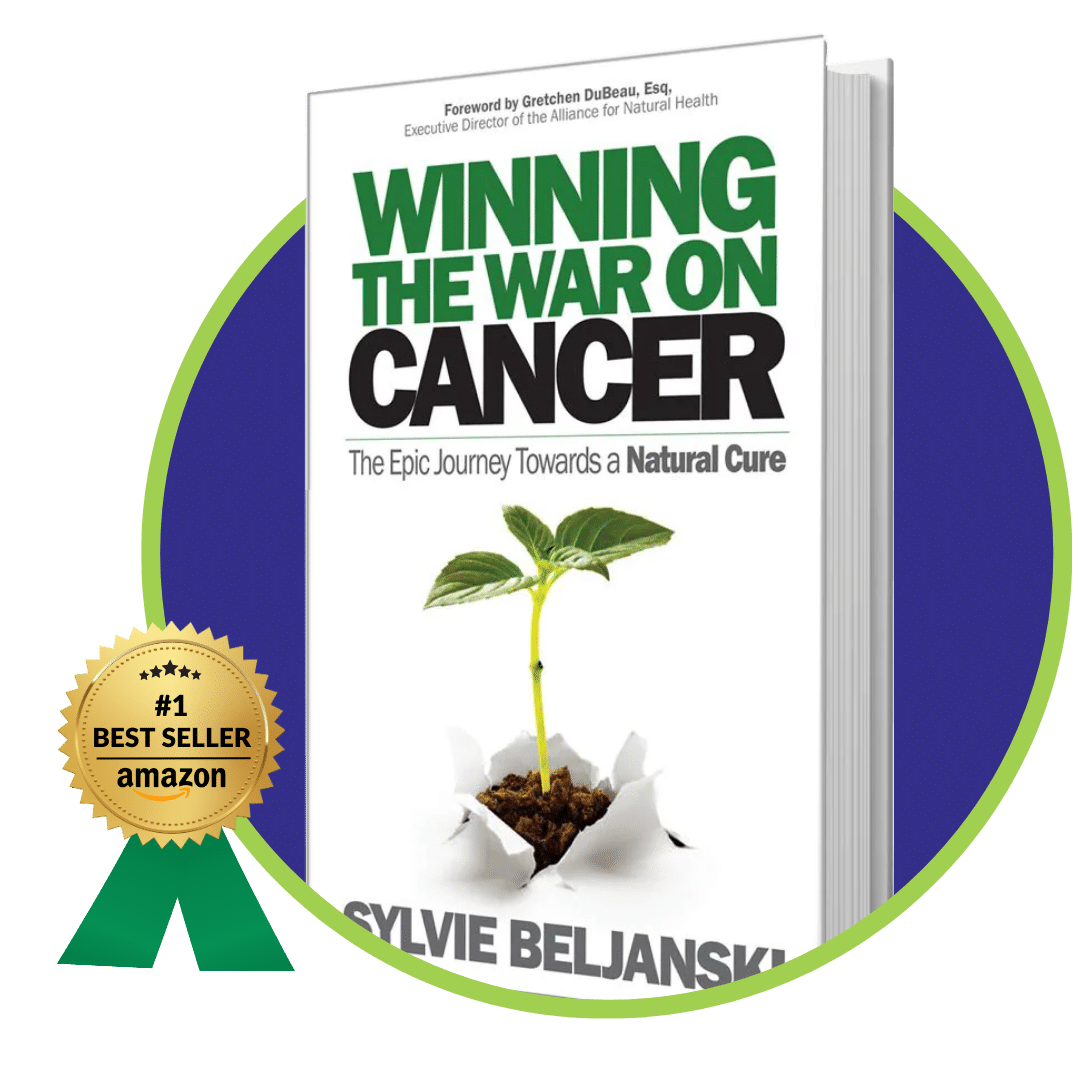
Award-Winning Book On Naturally Fighting Cancer
“For me personally, I think that Winning the War on Cancer by Sylvie Beljanski is one of those books that people should read. I have for a long time believed more in natural remedies than pharmaceutical cures, so I was involuntarily drawn to read the book.
It still preys on my mind on how the government can take up war against something that can save a lot of lives. I mean I know that a sort of thing like a more natural cure would likely actively threaten the pharmaceutical industry, but isn’t the industry on the side of saving people with something that has very little, or indeed no, toxicity at all? It’s so eye-opening and harrowing and I can’t yet state how I feel about everything that I learned.
I would recommend the book to anyone because many people these days are constantly being kept in the dark about natural remedies. What I love most about the book is that, though the book’s main point is cancer and its treatment, it also touches on areas that are vital to leading a healthy life. It points out the importance of detoxifying our body, especially since we live in a world where toxins are constantly released into the air by our technological marvels.”
4 out of 4 stars – Review by Nmesoma – OnlineBookClub.Org