
Episode 57: Integrative Cancer Care Beyond Conventional Treatment | Dr. Carlos Bautista
This episode is also available on:








Cancer patients often seek options beyond standard treatment—and integrative oncology may offer a broader path to healing. In this episode of The Beljanski Cancer Talk Show, Sylvie Beljanski speaks with Dr. Carlos Bautista, founder of the Immunity Therapy Center in Tijuana, Mexico, about personalized, non-toxic, whole-person approaches to cancer care.
Dr. Bautista shares how a personal loss inspired him to create a clinic centered on hope, individualized care, and innovative therapies. He explains the center’s five-pillar approach, including immunotherapies, alternative therapies, intravenous support, oxygen therapies, and therapeutic nutrition—all designed to support the body while addressing cancer from multiple angles.
The conversation also explores low-dose targeted chemotherapy, the role of metabolic and immune support, the importance of individualized protocols, and why treating the whole person—not just the disease—is central to long-term healing.
Dr. Bautista also discusses patient life at the clinic, follow-up care after treatment, and how integrative medicine can work alongside conventional approaches to improve outcomes and quality of life.
This episode offers insight into a comprehensive model of cancer care focused on innovation, compassion, and empowerment.
🔑 Three Key Takeaways
- Cancer treatment can be personalized and integrative
Dr. Bautista explains how combining immunotherapy, metabolic support, nutrition, and non-toxic therapies can address cancer from multiple angles while supporting the whole body. - Treat the terrain, not just the tumor
The episode emphasizes improving the body’s internal environment—through oxygenation, immune support, and nutrition—to help create conditions less favorable for disease. - Hope and individualized care matter
Compassionate, team-based treatment and customized follow-up programs can help patients feel supported before, during, and after therapy.
Sylvie Beljanski (00:01.252)
Hello and welcome to the Belgiansky Cancer Talk Show. I am very excited to be with you today and to introduce you Dr. Carlos Bonista. Dr. Carlos Bonista is with the Immunity Center. It’s a beautiful clinic in the area of Tijuana, Mexico. And one of those clinics that are
very well known and bring different kind of hope to people here in the States by offering things that they not always find in the States. And I understand that for some it can feel like a little bit scary to get outside of the United States, but the Immunity Center in Tijuana has…
long record of safety and efficacy. I thought I should share with you this information and welcome to the Dr. Bautista. Hello.
Dr. Carlos Bautista (01:05.752)
Thank you, thank you Sylvie. Hi, thank you for having me. And yes, we are here in Tijuana Immunity Therapy Center and we’ve been here for some years now. And yeah, like you mentioned, we have state of the art facilities and newest and most, well, successful alternative and immunotherapies. Yes.
Sylvie Beljanski (01:09.423)
Yeah
Sylvie Beljanski (01:29.092)
Yes. So for how long has this clinic been created?
Dr. Carlos Bautista (01:34.442)
Well, we started very small, many years ago. And back in 2006, that’s when I opened Immunity Therapy Center. Yes, 20 years actually, yes. So well, before that I worked in other places, but then I decided to open my own clinic.
Sylvie Beljanski (01:48.356)
That’s 20 years. That’s kind of an achievement, 20 years, yes.
Dr. Carlos Bautista (02:01.3)
It was very small and then, well, we started to have, thank God, success treating patients and we grew from there and now we have an eight-story building where we have all the facilities where we can give treatments that are needed, you know, from surgeries to alternative treatments to immunotherapies.
and we’ll talk a little bit more about specifically what we do but yeah it’s been already 20 years.
Sylvie Beljanski (02:37.848)
Yeah. So tell me about your saying, I mean, grow with the success, which is always good. That’s what the patients want to hear. What makes the, what is the recipe behind the success of your clinic?
Dr. Carlos Bautista (02:54.978)
Well, we are, first of all, the human part that we always trying to find a solution. We don’t stop until we get a good response. And that combined with state of the art equipment and facilities and devices and having the best doctors.
and the dedication to, in a very individual manner, to each of the patients that come to us. I think that’s a recipe for the success that we have for these years.
Sylvie Beljanski (03:39.034)
So tell me more about this thing about making sure that the experience of the patients will come to you.
Dr. Carlos Bautista (03:47.49)
Sorry, what? Can you repeat the question?
Sylvie Beljanski (03:48.77)
about the experience of the patient who comes to you.
Dr. Carlos Bautista (03:53.036)
The experience, what do you mean? The experience on their hospital here?
Sylvie Beljanski (03:57.744)
What makes, I mean, what, why would people come to Tijuana and then to your clinic?
Dr. Carlos Bautista (04:08.2)
at it. Well, first of all, we offer treatments that are not available in the United States or in other parts of Canada or in Europe, like the immunotherapies, the alternative treatments that we do, the different intravenous.
Sylvie Beljanski (04:21.712)
Like what? Like what? Can you give me some examples?
Sylvie Beljanski (04:30.48)
Can you describe those alternative treatments?
Dr. Carlos Bautista (04:35.502)
Yes, have our treatment divided in five pillars, mainly. The first pillar is immunotherapies. The second pillars are alternative therapies. The third pillar is intravenous solution. The fourth pillar is oxygen and oxygen therapies. And the five pillar is nutrition.
Sylvie Beljanski (05:02.288)
Okay, so.
Dr. Carlos Bautista (05:04.512)
Our first pillar immunotherapies are different treatments that we do have here that are going to stimulate in different ways the immune system to detect and destroy cancer cells. As you know, one of the main problems that happen is that immune system does not recognize that a cancer is growing. So we have to teach the immune system to
We have to teach the immune system to recognize and give the weapon so they are able to destroy the cancer cells. We do that through different procedures like mononuclear cell activation, like application of different antibodies that we have available here. The second pillar are the alternative treatments where we do therapies.
that work really well in combination with the rest of the pillars, but mainly we’re talking about whole body hyperthermia, local hyperthermia, rife treatment, biofrequency therapies, halo therapy, which is a biofrequency therapy as well.
and mainly ultraviolet blood irradiation treatments. So it’s a combination of different therapies that are going to synergize with one another to maximize the effect. So we try with these alternative therapies, take advantage of cancer cell weaknesses and use that to our advantage to destroy those cancer cells.
Or third pillar will be the intravenous solutions where we use, these are customized to each patient depending on their need. We have everything available for Methyl and Blue to B17, chelation, well, all type of intravenous solutions. Or fourth pillar, which is the oxygen treatments. As you know, oxygen is very necessary.
Dr. Carlos Bautista (07:16.972)
A rich cancer cannot grow in a rich oxygen environment. So we use hyperbaric, we use therapies, we use hydrogen peroxide, we use ozone therapies, we use different ways to hyper oxygenate the body to create an environment where cancer cannot grow. And our fifth pillar will be nutrition. As you know, cancer feeds on sugar.
So we want, we are using here in our center a low glycemic index diet where we are definitely making sure that the cancer is not receiving the food that it needs to grow. So those will be our five pillars in a nutshell, Sylvie.
Sylvie Beljanski (08:03.066)
Okay, sounds good.
Sylvie Beljanski (08:07.406)
Yeah. Do you use chemotherapy also?
Dr. Carlos Bautista (08:12.61)
Yes, but in a very different way than conventional. We have a therapy that is called DPT, where we stands for DMSO Potentiation Therapy. And this DMSO will carry them in whatever medication we use in a low dose. Normally we use 10 % to the cancer site. So that’s the main way that we use the chemotherapies here.
Sylvie Beljanski (08:16.56)
Okay.
Sylvie Beljanski (08:20.207)
Mm-hmm.
Dr. Carlos Bautista (08:42.158)
With this method, you won’t have any side effects or any bad reactions because of the low dose that we use, but we are able to maximize that low dose by directing it only where it’s needed. And the therapy is called DPT.
Sylvie Beljanski (09:00.272)
Excellent. So generally, mean, people are coming down to Tirouana and they are staying at the clinic and they are taken care of. it, I mean, inpatient, outpatient? What is the protocol?
Dr. Carlos Bautista (09:16.046)
Yeah, yes. We have different programs and we are a full certified hospital facility. We have an inpatient program where
patients that cannot move too much or they are in a compromised situation and they need constant care. We have that patient here. That’s the inpatient program. The majority of our patients coming in the outpatient program where they stay in our facilities where our patients stay, which is some apartments that we have where they can stay.
or sometimes they can stay also in hotels or areas that are around or center. But we prefer that they stay with us because we can control transportation and their times and everything. So usually that’s how, where they stay.
Sylvie Beljanski (10:17.777)
And generally, what is the typical length of the stay?
Dr. Carlos Bautista (10:22.414)
Normally, we request patients to come for a three-week program. But normally, usually they stay a little bit longer, depends on each case. But to begin with, we request patients to come for a three-week program.
Sylvie Beljanski (10:42.865)
And what kind of accommodation do you have for companions that would travel with somebody who is sick?
Dr. Carlos Bautista (10:49.834)
Yeah, the accommodations that we have, well, they can stay in the apartments, but here in the hospital, I want to make a parenthesis. You’re going to come here in the meeting that I will be presenting at the Beljansky in June. I will be presenting and after that, there will be very selective clinics that you’re going to visit.
And they will be able to see the areas where companions can stay. We have a very nice facility with patios and areas where companions can stay during the day when their relatives are doing treatments. So yeah, we have a very nice dining room where you’re going to have lunch when you come to visit us in June. So yeah.
Sylvie Beljanski (11:39.696)
Yeah.
Dr. Carlos Bautista (11:48.848)
so it’s very nice areas.
Sylvie Beljanski (11:52.013)
Very good. It’s important that for companions also, it’s already so difficult to accompany somebody with a loved one who is sick, as you mean to offer a minimum also of comfort for the companion.
Dr. Carlos Bautista (12:02.604)
Yes.
Dr. Carlos Bautista (12:06.54)
Yes. Yeah, we always recommend that everybody comes with a companion so they’re not alone. And we have special areas for companions, definitely.
Sylvie Beljanski (12:21.251)
So you were mentioning that you are coming to present at the Belgiansky Cancer Conference in San Diego and we are very appreciative of your presence and very much looking forward to your conference. What are you planning to speak about? mean, those five pillars?
Dr. Carlos Bautista (12:45.304)
Well, yes, I’m going to talk a little bit about my personal history, you know, why I do this, which is, and I’m going to also talk about specifically the treatments and the five pillars that we have here, and we’re going to present the facility. So hopefully it be a good talk and I can…
I can transmit the message of what we do and why we’re being successful dealing with this serious cancer diagnosis.
Sylvie Beljanski (13:26.619)
So I’m sure that I mean, your success comes also from your passion and your passion comes from your why. So tell us a little bit since you mentioned that, why are you doing that?
Dr. Carlos Bautista (13:38.478)
Well, when I was almost graduating from medical school, this was 1997, 1996, my dad unfortunately was diagnosed with lung cancer, a small cell lung cancer. And when we…
realized that he was with the cancer is because he had a seizure and and it was already in the brain so back then I went to my teachers and my some of my friends and he went through chemotherapy he went through radiation full dose and he died within two two or three months he didn’t last long at all and that’s when I realized that
definitely something else was needed for those type of patients because it was really no hope, know, when something like that happens. So that’s when I decided to start researching, working in some other hospitals that were practicing alternative medicine. So…
So then I started learning more and then I started traveling to other countries like Cuba, Germany, and those other countries that had a little bit more experience with alternative treatments and I learned about them and I organized this program after some years.
And that’s my best reward is when I see a patient in a serious condition that we’re able to help and put in remission. That’s my best reward. So that’s the reason, Sylvie, why I do what I do.
Sylvie Beljanski (15:43.173)
That’s a beautiful story and definitely a tribute to your father. I’m sure that he’s very proud of what you have made of your suffering and your pain. Absolutely.
Dr. Carlos Bautista (15:51.17)
Yes.
Dr. Carlos Bautista (15:57.58)
Kind of similar to your story, I was reading a little bit about your motivation as well and it was kind of similar, right?
Sylvie Beljanski (16:05.233)
Yeah, yeah. So now you have this clinic. You went from a difficult time with your father to building a clinic. This is pretty amazing. so on the Monday, June 29, I believe, is the Monday after the conference.
Dr. Carlos Bautista (16:32.703)
Yeah, Monday June 29th. Yeah, I have the calendar here.
Sylvie Beljanski (16:35.511)
Yes, we are organizing a little tour for 50 people who are buying their tickets now because it’s already filling fast. And those people will have the opportunity to visit your clinic. what do you think is going to, I mean, what do you plan to show them that will really
Dr. Carlos Bautista (16:56.503)
Yes.
Sylvie Beljanski (17:05.103)
you think is going to capture their attention.
Dr. Carlos Bautista (17:09.27)
Well, there’s many things, not only one first that we have state of the art facility, but also they will see how well organized we are as a team. I think that’s also very important that I emphasize that it’s not only me. I have a very good team of doctors and nurses and administration and kitchen and everybody give their best.
And I think they’re going to get or feel the warmth that we put into every patient. I just want them to know us and for them to know that we are a possibility, an option, hopefully not. But if they have the need for something like this, that we are their first option.
Sylvie Beljanski (18:05.019)
Yeah. How many patients do you have on a average time in the clinic?
Dr. Carlos Bautista (18:12.698)
Normally we have between 25 and 35 and that’s the amount of patients that we feel comfortable treating at one time. That’s how everything is designed, you know, to give the best service. The ratio, mm-hmm.
Sylvie Beljanski (18:17.681)
Okay.
Sylvie Beljanski (18:30.447)
Yeah, I like that the fact that it’s not a big hospital where you feel anonymous and just a number and the protocol.
Dr. Carlos Bautista (18:40.27)
No, not at all. want, like I mentioned to you, we want to make us individual, customized treatment as possible. For that, sometimes we were like with a little above 35, but we don’t feel comfortable. So we try to be between 25 and 35. That’s where our staff feels comfortable.
and where everything works well. A little bit more than that, sometimes we’re overwhelmed and we don’t like it.
Sylvie Beljanski (19:15.025)
And you were speaking of nutrition. I and I understand it’s one of your pillars about fulfilling, I mean, to heal. Can you give us a little bit an idea for people who have nausea and do your patients have nausea? If they have almost no chemotherapy, I assume they don’t. So they are able to appreciate the delicious food that you are.
Dr. Carlos Bautista (19:39.362)
No. No.
Sylvie Beljanski (19:45.009)
giving at… I mean having in Mexico, right?
Dr. Carlos Bautista (19:50.252)
Yes, well we have very Aaron, one of our head chefs. He specializes in this type of food and we have, you’re gonna, when you visit us, you’re gonna have a little bit of a taste for what we prepare here. But yeah, we serve everything with organic, you know, organic.
vegetables and everything that we do here is without any additives or and like I mentioned we try to make it as low glucose index as possible. We have our nutritional department here. We have our nutritional department that sees everybody.
Sylvie Beljanski (20:29.809)
Mm-hmm.
Dr. Carlos Bautista (20:39.476)
Also at the same time, we have to make sure that the patients are receiving the amount of calories that they need because we don’t want them to lose weight or more weight. Sometimes they come very depleted. So each case is customized as nutrition goes. But again, following the guidelines that we have with a log-lycemic index diet, but
Sylvie Beljanski (20:49.041)
Mm-hmm.
Dr. Carlos Bautista (21:08.642)
Patients love the diet. always, that’s one of my, you know, when the patients qualify us at the end, or we ask for their opinion, they always tell us that our kitchen is one of the best that they’ve tasted. So it’s not an easy thing to do to combine good taste with what we’re trying to do, but Aaron, he’s doing a very good job.
Sylvie Beljanski (21:38.049)
Okay. Can you tell us more about the kind of diet? mean, is it all vegetarian? it the, you include proteins?
Dr. Carlos Bautista (21:48.526)
In general, in general, we, again, we want to do a log glycemic index diet. Index diet refers to…
Sylvie Beljanski (21:57.969)
Excuse me. Excuse me.
Dr. Carlos Bautista (22:02.146)
God Bless You!
Sylvie Beljanski (22:02.801)
It’s up.
Dr. Carlos Bautista (22:08.022)
Are you okay?
Sylvie Beljanski (22:11.833)
I don’t know, something in this room, I like cough.
Dr. Carlos Bautista (22:13.632)
Yeah, well, you know, temperature change. You’re in California, you’re here in Riverside, right? Not far. you’re in New York. Well, that’s cold then. Now here we’re kind of changing temperatures. I was explaining Sylvia about the glycemic index diet. The glycemic index diet refers that each each food.
Sylvie Beljanski (22:21.681)
I am in New York.
Dr. Carlos Bautista (22:40.982)
will raise glucose to a certain degree. each fruit, each food item, each protein will definitely have increased the glycemic index. So we want to keep it between 54 or less, the glycemic index of all food items. And that will include vegetables, that will include
different type of fruits that will include the thing is that we don’t want to deprive the body of nutrients that are needed but at the same time we don’t want the glucose to peak you know so they’re fruits that have a low glycemic index diet that are are not that are
are giving the nutrients that are needed but are not going to increase glucose level in the blood. So we do serve different type of proteins, meaning sometimes we do organic meat or chicken. So sometimes we do…
vegetables, fruits, but everything within a low glycemic index diet. We do that because we need to give certain amount of calories to the patients and because also if there’s no good nutrition also that will depress the immune response. we want to, and that is being supervised and directed by your nutritional department and the
The head nutritionist is Mariana Bolaños, that’s her name, and likely you’re going to meet her when you come.
Sylvie Beljanski (24:34.737)
I like very much his answer that he’s not leaving out completely any complete group of food. Because I think, as my grandmother said, a little bit of everything and not much of anything is the way to go. She was not a doctor, but she had a lot of…
Dr. Carlos Bautista (24:56.926)
Exactly. Yes.
Yeah, well, yeah, one of the…
Sylvie Beljanski (25:03.281)
And she lived to the age of 93 without any disease.
Dr. Carlos Bautista (25:07.892)
Yeah. Well, the thing is that we have a problem when patients come and they are following kind of extreme diets, which are good, but sometimes, for example, a set of genetic diet or indefinite today, you’re depriving the cancer from nutrients. But the problem with restrictive diets is that you’re going to lose weight.
And when you’re dealing with a stage four cancer or any type of cancer, definitely nutrition is very important and you need to maintain your weight, you know, to achieve a good immune response. So that’s why we very selectively, we know that cancer mainly feed on sugar. So that’s a nutrient that we try to keep under control.
Sylvie Beljanski (26:05.841)
And besides nutrient rich food with low glycemic index, what do you suggest for the lifestyle of those people? Tell me what is the average day of a patient? What does it look like?
Dr. Carlos Bautista (26:29.354)
Okay, normally we, when they come in, well, they go through all the administrative forms that they need to sign. And normally we have two shifts here. The morning shift is from eight to two. They come in at eight o’clock in the morning and normally their day finished like at 2 p.m. And the afternoon shift patients come in like around
one and they finish like around seven in the afternoon. In those hours, they do the different treatments, the different therapies, one after the other in a treatment area where all the treatments will come to them and they have their nurses that are going to provide them.
And we provide patients in our packages. We normally include two meals, so they have breakfast and lunch, or lunch and dinner, depending on the times that they’re coming in. So it’s a very intensive program. We give treatments Monday through Saturday. And they’re doing treatments basically the whole time.
Dr. Carlos Bautista (27:48.269)
Yeah.
Sylvie Beljanski (27:48.538)
That’s indeed pretty intense even for three weeks. I’m sure it’s a life-changing experience.
Dr. Carlos Bautista (27:55.85)
It is and again, it’s very rewarding when they see that they are improving day by day and I see all the patients one or two times a week myself. They are seen by their treating doctors every day. And we are in constant communication with with them, making sure that they’re going in the right direction. We do all the blood work and and we do all the.
blood work needed and testing that are needed. We do have our CT scanner here in the hospital. So also whatever CT scans and also we have the oral laboratory here in the hospital. So everything is done here and we have the results quickly. So that’s a big advantage as well.
Sylvie Beljanski (28:44.741)
And after those three weeks, what happens to the patient when it’s time to go home? mean, do you offer a follow-up? Is there kind of a program to continue to see you through Zoom or something? Or I assume you are not left to…
Dr. Carlos Bautista (29:02.551)
Yes.
Yeah, normally we do follow up with patients before they go home. A week before we start talking with them about their home program. That’s very individual, depending on the case, of course, so the treating doctors start talking with them. We have a meeting every morning at nine o’clock in the morning.
here with all the doctors and the staff where we talk about each patient and we define what we’re going to send them home with depending on each case. So yeah, everything is decided as a team. Obviously, I have the last word and then it’s explained like a week before patients are discharged.
And then when they go home, try to, yeah, no, no, we don’t try. We follow up with them. So we are calling them periodically, or also they leave with all the information to contact us if necessary.
Sylvie Beljanski (30:14.393)
Okay, and you make some recommendation of supplements, of specific diet.
Dr. Carlos Bautista (30:21.762)
Yeah, normally we send them home with some supplementation sometimes, therapies that they need to continue and immunotherapies that they need to continue. So yeah, so that’s how we make the recommendations. Again, it’s very individual depending on each case what we recommend.
Sylvie Beljanski (30:47.889)
Of course. I like also the fact that it’s one size fits all because that’s one of the big problems of conventional medicine. mean, those big hospitals have one protocol and then everybody has to fit into the same protocol whether their cancer cells respond or not to that protocol. And sometimes you are lucky, but sometimes you are not.
Dr. Carlos Bautista (30:58.894)
Yes.
Dr. Carlos Bautista (31:15.052)
Yes, definitely here we know that each patient is different even with the same diagnosis. So definitely I agree with that.
Sylvie Beljanski (31:26.449)
Okay. So if you had one thing you would like to say to somebody who has been just diagnosed with cancer and he feels overwhelmed and doesn’t know where to turn, what would you say to that person?
Dr. Carlos Bautista (31:46.658)
Well, that there’s always hope. You know, one of the first things, unfortunately, in the US is that when you’re diagnosed with cancer, they always go to the negative, you know, and they always tell you that there’s no hope. Many times, unfortunately, want them to tell you there’s hope, that there are other treatments, that there are things that work that are nonconventional.
And that to make an appointment to talk with us on the phone so we can explain to them what can be done. And we have a lot of testimonies and many years practicing this and we have the experience and the knowledge to deal with complicated cancer situations. We do have other programs as well.
not only cancer but we treat all kinds of patients in the same manner.
Sylvie Beljanski (32:52.785)
What are the programs, are the conditions besides cancer are you also addressing?
Dr. Carlos Bautista (32:57.718)
We have cancer, a program for cancer. We have a program for chronic degenerative diseases, diabetes, high blood pressure, type of things. For neurodegenerative diseases, Parkinson’s, Alzheimer’s, ALS. We have the Lyme disease program and infectious disease program as well. We have immunotherapy.
autoimmune diseases program. We have a stem cell program as well when we provide umbilical cord stem cells. And we do surgeries here as well when needed. So we do have all of those services available.
Sylvie Beljanski (33:49.137)
I think that’s a very, very valuable piece of information. And I am sure also for companions who do not have cancer, the opportunity to address something else that would concern the companion can be a very valuable opportunity to have both of them going back home in better shape.
Dr. Carlos Bautista (33:53.485)
Yes.
Dr. Carlos Bautista (34:01.388)
Yes.
Dr. Carlos Bautista (34:10.584)
That happens often actually when they come in and they see all the things that we do and they get into a program with us, companions. Also, we have dental services and all that. So yeah, we’re very complete. Again, all the doctors here are certified, board certified doctors and in the hospital.
We have a full licensed hospital as well.
Sylvie Beljanski (34:43.717)
Very good, very good. So can you tell again the audience where they can find you, the name of the clinic, the website and how to reach out to
Dr. Carlos Bautista (34:54.2)
Well, yeah, definitely our website is immunitytherapycenter.com. And what is the other part of information, Sylvie, that you…
Sylvie Beljanski (35:11.345)
So you are in Tijuana, where are you in Tijuana compared to the, I mean, what is the best way to come to your clinic?
Dr. Carlos Bautista (35:18.082)
Yes.
Dr. Carlos Bautista (35:22.27)
describe we are in if you are in New York it will be Manhattan you know it is the business district of the city it’s just like five minutes crossing the border from San Diego into Mexico it’s very close to the border and it’s a very secure area and very safe you know sometimes what you hear on the news is not that all true
So, yeah, so definitely it’s very safe and very close to the border. Also, when you fly to San Diego, we pick you up there and bring you to the center here, to the hospital. So transportation, it will be arranged for patients that want to come to us. And we are located, it’s called Zona Rio here in Tijuana. And it’s a very nice area.
Sylvie Beljanski (36:19.121)
Very good. Dr. Bautista, are very much looking forward to seeing you as a Belgian Ski Cancer Conference this June in San Diego. And you, your team, I know you are coming with a booth. will be information available. We are going to be treated with your presentation. And then I already know that there is a big group of people.
who want to come to visit you and visit the clinic on Monday.
Dr. Carlos Bautista (36:53.666)
Thank you so much Sylvie, it’s a pleasure to have you here in the hospital and it will be a pleasure saying hello when I see you in the conference. It’s an honor and thank you for inviting me. I feel very honored.
Sylvie Beljanski (36:58.193)
Thank you.
Sylvie Beljanski (37:08.003)
thank you. Thank you for joining us. mean, it’s our pleasure and our own honor. Thank you. Thank you. Take care.
Dr. Carlos Bautista (37:14.818)
Thank you so much Sylvie.
Dr. Carlos Bautista is the founder and medical director of the Immunity Therapy Center in Tijuana, Mexico, where he has spent nearly two decades developing integrative treatment protocols for cancer and chronic illness. Inspired by personal experience and international training in alternative medicine, Dr. Bautista combines immunotherapy, metabolic support, nutrition, and innovative therapies through a personalized, patient-centered model of care.
Learn more about Dr. Carlos Bautista and Immunity Therapy Center

Website
Related Episodes
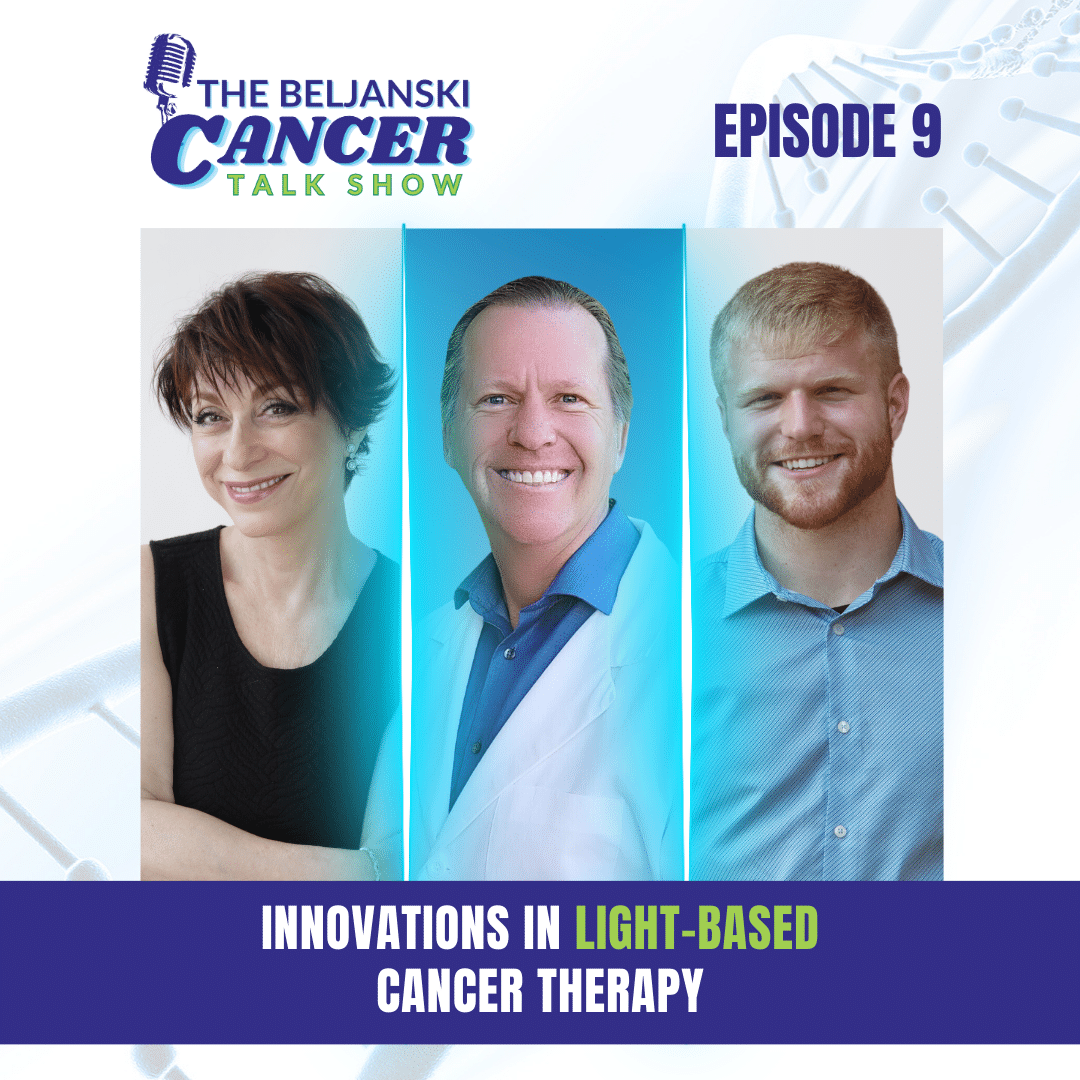
Episode 9 – Innovations in Light-Based Cancer Therapy with Dr. Michael Karlfeldt, ND, PhD
Dr. Michael Karlfeldt discusses his holistic approach to cancer treatment with Sylvie & Victor, focusing on integrative oncology and lifestyle [...]
Stream Now
Episode 21: The 7 Key Principles of Cancer Therapy Emotions and Cancer with Dr. Antonio Jimenez, MD, ND
Dr. Antonio Jimenez shares how his father’s cancer journey inspired his shift to integrative oncology, focusing on the mind-body connection, [...]
Stream Now
Episode 23 – What Every Woman Needs to Know About Breast Cancer Risks & Estrogen with Dr. Jenn Simmons, MD
Dr. Jenn Simmons shares how functional medicine reshaped her approach to cancer and offers bold alternatives to traditional care. [...]
Stream Now
Episode 59: From Terminal Diagnosis to Thriving: Owen Hemsath’s Integrative Cancer Journey
Discover Owen Hemsath’s journey from stage 4 cancer to remission and learn how lifestyle changes, emotional healing, patient empowerment, and [...]
Stream Now
Keep yourself updated!
Sign up below if you want to hear more about the weekly updates of The Beljanski Cancer Talk Show!
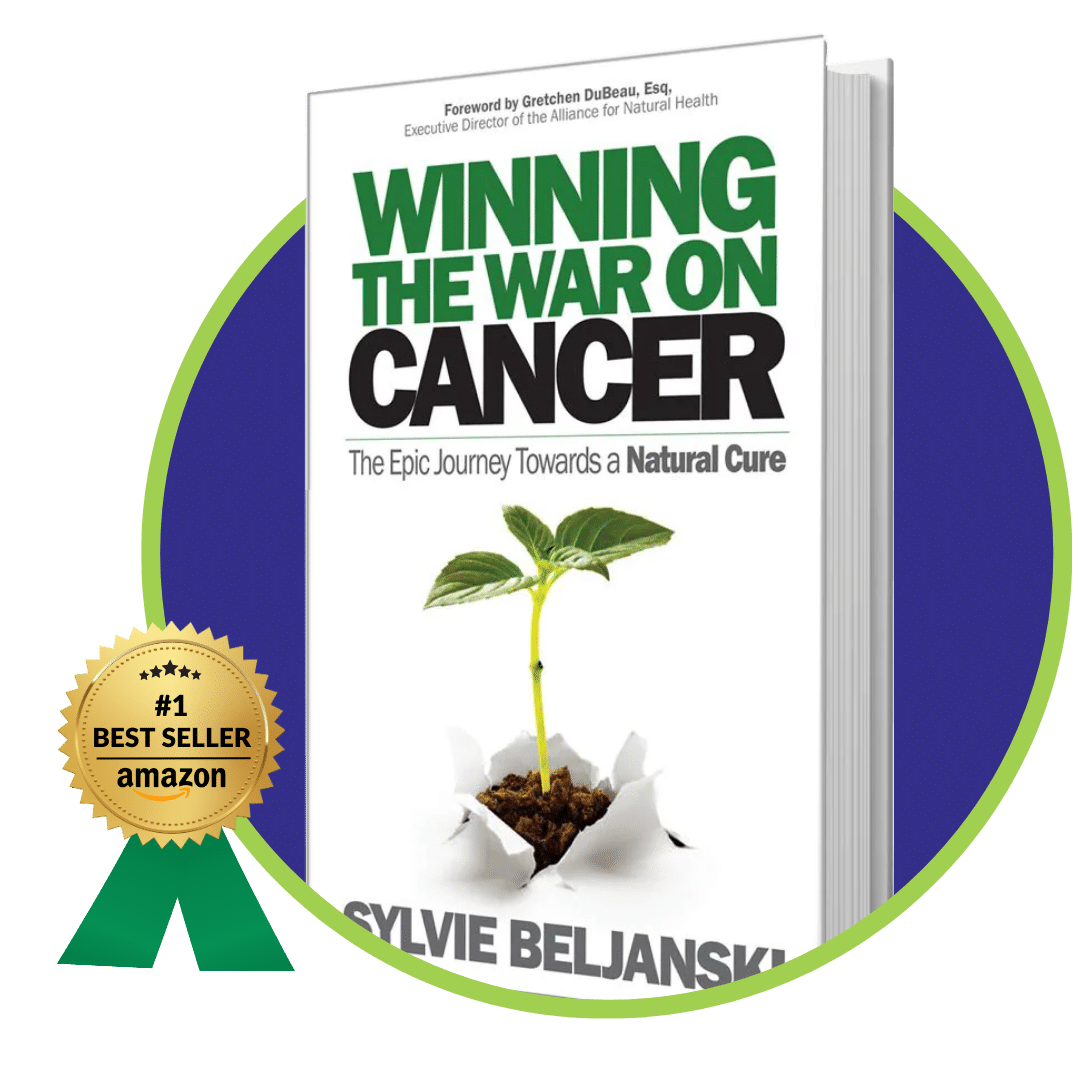
Award-Winning Book On Naturally Fighting Cancer
“For me personally, I think that Winning the War on Cancer by Sylvie Beljanski is one of those books that people should read. I have for a long time believed more in natural remedies than pharmaceutical cures, so I was involuntarily drawn to read the book.
It still preys on my mind on how the government can take up war against something that can save a lot of lives. I mean I know that a sort of thing like a more natural cure would likely actively threaten the pharmaceutical industry, but isn’t the industry on the side of saving people with something that has very little, or indeed no, toxicity at all? It’s so eye-opening and harrowing and I can’t yet state how I feel about everything that I learned.
I would recommend the book to anyone because many people these days are constantly being kept in the dark about natural remedies. What I love most about the book is that, though the book’s main point is cancer and its treatment, it also touches on areas that are vital to leading a healthy life. It points out the importance of detoxifying our body, especially since we live in a world where toxins are constantly released into the air by our technological marvels.”
4 out of 4 stars – Review by Nmesoma – OnlineBookClub.Org